
“You got 5 hours of sleep? That’s actually good for a school night.”
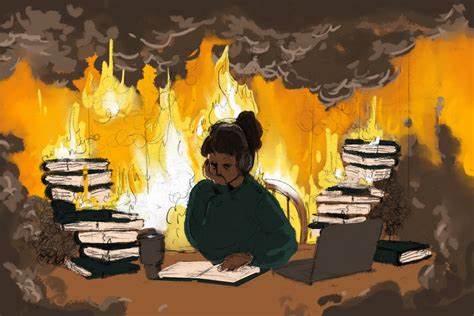
If you’ve ever heard this (or thought it) about teenagers, it underscores a quiet crisis: millions of teens are grappling with serious sleep problems and worsening academic burnout. What was once dismissed as “being tired” now shows scientific links to declining grades, mood disorders, and chronic health struggles. The stakes are high—and the solutions matter.
This article breaks down the science, the signs, the causes, and—most importantly—what both teens and parents can do to turn things around.
Why This Matters: Sleep + School = Teen Health in the Balance
The teenage years are a pivotal time for brain development, emotional growth, and academic achievement. Yet, many teens today aren’t getting the sleep their brains actually need. Sleep isn’t a luxury—it’s a neurological reset button. Without it, everything from memory to mood regulation takes a hit. (Springer)
When sleep problems layer on top of escalating academic demands, the result is a perfect storm: Sleep disorders fuel stress, stress fuels burnout, and burnout deepens sleep troubles. What sounds like a late-night contest of endurance is a serious health pattern worthy of attention.
Understanding Teen Sleep Disorders
What Are Sleep Disorders?
Sleep disorders are conditions that disrupt normal sleep patterns—either by making it hard to fall asleep, stay asleep, or by causing poor quality sleep. In teens, this isn’t just about staying up late; it can involve medical conditions like insomnia, delayed sleep-wake phase disorder, and others that interfere with restorative sleep. (bmjpaedsopen.bmj.com)
Why Teens Are Vulnerable
Several factors converge during adolescence:
Biological clock shifts: Teenage circadian rhythms naturally delay, making it biologically harder to fall asleep early. (AFMC)
Early school start times that clash with teens’ internal clocks worsen sleep debt. (AFMC)
Screen use and blue light exposure suppress melatonin and delay sleep onset. (AFMC)
Academic workload & activities push bedtimes later. (Springer)
Common Sleep Disorders Seen in Teens
Insomnia – difficulty falling or staying asleep. (bmjpaedsopen.bmj.com)
Delayed Sleep-Wake Phase Disorder – a circadian rhythm condition where teens can’t fall asleep until very late. (AFMC)
Narcolepsy – excessive daytime sleepiness unrelated to sleep duration. (Wikipedia)
Social Jetlag – mismatch between internal clock and school schedules. (Wikipedia)
In many cases, these disorders overlap with chronic stress or underlying mental health conditions—making them both cause and symptom of deeper struggles.
The Hidden Cost: How Sleep Problems Hurt Teens
Sleep does more than make teens feel rested. It strengthens memory, supports emotional regulation, and rewires the brain for learning. Without it, the ripple effects are serious.
Cognition & Academic Performance
Research shows that lack of sleep hampers attention, memory consolidation, and problem-solving—critical skills for the classroom. (Springer)
A teen who pulls frequent late nights to study may think it’s helping—but the opposite often happens: poor sleep undermines performance. Grades can fall even when effort increases.
Emotional & Mental Health Impact
Sleep-deprived teens are more vulnerable to anxiety, depression, emotional dysregulation, and irritability. These problems are not trivial: chronic sleep deprivation increases risk behaviors and worsens mood disorders. (Springer)
Physical Health Repercussions
Beyond the mind, poor sleep disrupts hormonal balance, immune function, and metabolic health. Adolescents with chronic sleep loss may struggle with appetite changes, weight challenges, and even cardiovascular risk factors.
Academic Burnout Explained
Burnout isn’t just being “tired of school.” It’s a prolonged state of physical, mental, and emotional exhaustion related to continued academic stress. It includes:
Emotional exhaustion: feeling drained by school demands.
Cynicism or detachment: loss of interest or negative attitude toward school.
Reduced academic efficacy: feeling like you’re not good enough, even with effort. (Springer)
The Real Signs of Academic Burnout
According to counseling experts, look out for:
Chronic fatigue that doesn’t improve with sleep.
Persistent headaches, stomachaches, or sleep disruptions.
Emotional overwhelm or irritability.
Declining grades despite more effort. (EPIC Counseling Solutions)
Burnout doesn’t just hurt school performance—it erodes mental well-being and motivation, often pushing teens toward avoidance behaviors.
The Sleep + Burnout Connection
Now here’s the key insight: Sleep problems and academic burnout don’t just coexist—they influence each other.
How Poor Sleep Fuels Burnout
Science indicates that poor sleep affects perceived stress—making daily challenges feel harder and more overwhelming, which in turn accelerates burnout. (Springer)
Studies also show that sleep quality issues are linked directly to burnout symptoms like emotional exhaustion and decreased engagement. (PubMed)
How Burnout Makes Sleep Worse
When teens are stressed, anxious, or stuck in “fight or flight” mode, it becomes harder to fall asleep or stay asleep. Worry and rumination create a night-time feedback loop that deepens exhaustion.
Academic Stress → Anxiety → Burnout → Poor Sleep
Research from different cultural contexts confirms this chain of effects: academic stress influences sleep quality indirectly through anxiety and burnout. (MDPI)
In simple terms: burnout and sleep problems feed one another, making each worse over time.
Practical Strategies That Work
So what actually helps? Whether you’re a teen, a parent, or an educator, here are evidence-based steps that make a real difference.
1. Build Better Sleep Hygiene
Keep a consistent sleep schedule—even on weekends.
Avoid screens 1 hour before bedtime.
Create a cool, dark, and quiet bedroom.
Limit caffeine and sugary drinks in the afternoon/evening. (AFMC)
2. Manage Workload Realistically
Parents and teens can partner to:
Break large assignments into smaller steps.
Use planners or calendars to track deadlines.
Prioritize tasks based on urgency and impact. (The Times of India)
This doesn’t just reduce stress—it creates a sense of control.
3. Respect Downtime
Scheduled breaks, hobbies, and relaxation aren’t luxuries—they prevent burnout. Activities like walking, drawing, journaling, or listening to music help reset energy levels. (The Times of India)
4. Practice Emotional Support
Open communication matters. Ask gentle questions, listen without judgment, and validate feelings before offering solutions. This can significantly reduce perceived stress. (The Times of India)
5. Seek Professional Help When Necessary
Persistent insomnia or signs of clinical anxiety/depression warrant help from mental health professionals. Pediatric sleep specialists or counselors can tailor strategies for individual needs. (AFMC)
Systemic Solutions That Help All Teens
Later school start times align with teens’ biological clocks and improve sleep duration. (AFMC)
School wellness programs can educate teens about stress, sleep, and resilience.
Parental modeling of good sleep and stress habits can influence teen behavior.
Sleep Isn’t Optional—It’s Foundational
Teen sleep disorders and academic burnout are complex—but they aren’t inevitable. Understanding the science, recognizing the signs, and implementing the right changes can protect teens’ mental health, boost academic success, and restore balance.
Sleep is not the enemy of achievement—poor sleep is.
If you’re a parent, educator, or teen who’s witnessed the toll of sleep struggles and burnout, now is the time to act:
Get checklists, bedtime routine planners, study-break charts, and expert tips to rebuild healthy sleep and reduce burnout.
Talk to a professional if sleep issues, mood changes, or academic stress feel unmanageable. Early support prevents long-term problems.
Share this article with someone who needs it—because no teen should navigate burnout alone.
Comments
Post a Comment