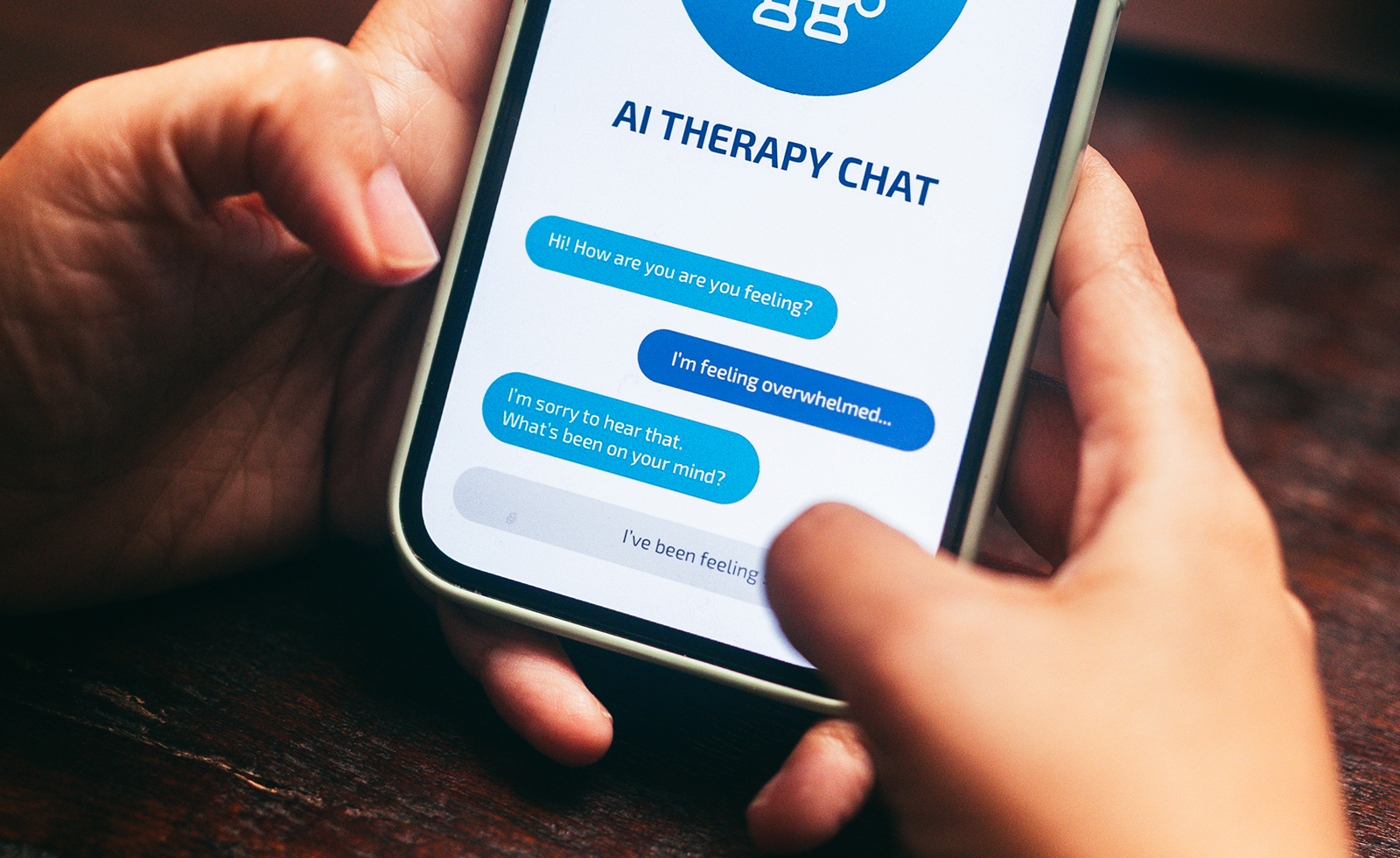
A Mental Health Revolution — or Risk?
AI mental health apps have exploded into public consciousness as powerful tools for emotional support, mood tracking, psychoeducation, and even therapeutic conversation. These apps promise accessibility, affordability, and support without waiting rooms or insurance forms — and that’s incredibly compelling in a world where mental health services remain scarce and expensive.
According to global trends, millions are turning to digital tools just to cope with stress, anxiety, or depression — sometimes because traditional services are too far, too slow, or too costly. Yet behind the friendly chatbot and soothing UI lie complex questions about accuracy, privacy, and cost — questions every user should understand before downloading the next mental health AI app.
In this article, we’ll break down:
How accurately AI apps can assess and support mental health
What privacy really means for your emotional data
The true cost — both financial and emotional — of using these tools
How to choose an app safely
Where the future of AI mental health is heading
By the end, you’ll have clarity — not hype — and a thoughtful roadmap to make smarter decisions for your wellbeing.
How Accurate Are AI Mental Health Apps?
1 What We Mean by “Accuracy”
When we talk about “accuracy” in AI mental health apps, we mean:
Correctly identifying symptoms
Providing helpful recommendations
Not missing urgent risks
Not giving misleading or harmful responses
Unlike a trained psychologist, AI doesn’t understand emotion — it analyzes patterns, historical data, and linguistic cues. That’s a big distinction.
2 Research on Accuracy
Research shows that AI-driven mental health tools can produce both promising and concerning outcomes. For example:
In symptom assessment platforms like K Health — which uses AI to list possible diagnoses — the top 3 diagnoses were only accurate 36% of the time compared with trained physicians at 82.1% accuracy. (Wikipedia)
Independent studies note that AI may miss or misinterpret key emotional data, leading to incorrect outputs up to 40% of the time in certain assessments. (Medical News)
This doesn’t mean AI is useless — it means AI is improving, and can be helpful for screening, early detection, tracking trends, and emotional insight — but it’s not a clinical diagnosis.
3 Why AI Makes Mistakes
There are a few key reasons for inaccuracies:
Training data bias: If the dataset used to train the AI doesn’t reflect your language or cultural expression of emotions, recommendations can miss the mark. (IJFMR)
Lack of real human context: Tone, body language, history, nuances — AI can’t interpret these fully.
Overreliance on text patterns: AI may pick up superficial cues from language and miss deeper psychological context.
Bottom line: AI apps are tools, not therapists. They can help you understand patterns and encourage coping skills — but they cannot replace professional human diagnosis or emergency intervention.
Privacy — What Happens to Your Sensitive Data?
1 Why Mental Health Data Is So Sensitive
Mental health apps often collect:
Personal feelings and journal entries
Emotional responses
Mood trends
Conversations with AI chatbots
This isn’t just personal — it’s intimate. In the wrong hands, this data could be misused, leaked, sold, or analyzed without your consent.
2 Real Privacy Concerns
Unfortunately, not all apps treat privacy seriously:
Many apps operate outside strict healthcare privacy regulations like HIPAA (US) or GDPR (EU). (Medical News)
Some popular platforms have been criticized for unclear privacy policies or vague data usage definitions. (Techies Guardian)
Investigations show that many health apps do not encrypt sensitive data or provide transparent privacy policies. (IJFMR)
Even beyond mental health apps, earlier assessments of digital health tools revealed troubling security gaps — like unencrypted personal data and missing privacy policies. (WIRED)
3 How Your Data Might Be Used
Depending on the platform:
Your emotional data could be stored on remote servers
Companies might share data with analytics partners
Machine learning training might include your anonymized content
Insurance or advertising algorithms might access metadata
Knowing what you consent to has never been more important.
4 Best Practices to Protect Your Privacy
Before you use a mental health AI app, ask:
Is the app HIPAA or GDPR compliant?
Is there end-to-end encryption for conversations?
Can you request deletion of all your data?
Does the app clearly state who can access your information?
Apps that offer transparent controls, account deletion, and minimal data collection are generally safer.
How Much Do AI Mental Health Apps Cost — Really?
1 The Surface Costs
Some apps are advertised as free, but most operate on a freemium model:
Basic features are free
Premium features cost monthly or annual fees
Some apps charge for advanced AI support, guided programs, or emotion analysis
Annual subscription costs for premium tiers often range from $50 to several hundred dollars — and that adds up over time. (Medical News)
2 Hidden or Ongoing Costs
It’s also easy to get caught off guard by:
Automatic subscription renewals
In-app purchases
Add-on modules for advanced support
Data usage “features” that unlock insights
Sometimes, if users aren’t careful, these can feel “hidden” — meaning users only discover the full cost after signing up.
3The Human Cost of Free AI Therapy
While free AI support may seem like a godsend — especially compared with traditional therapy that can cost $100–$300 per session — it has emotional and safety costs:
AI may fail to notice intense distress
Users might rely too heavily on automated feedback
Critical crises (like suicide risk) may be misinterpreted
Therefore, free or cheap AI mental health tools need to be used with deliberate caution.
Popular AI Mental Health Apps — A Snapshot
Below are a few examples of widely discussed services, their strengths, and limitations:
1 Earkick
Earkick combines real-time emotional tracking with an AI companion and — notably — doesn’t require registration or personal identifiers, enhancing privacy. (Wikipedia)
Pros:
Strong privacy focus
Mood and biometric tracking
No registration
Cons:
Not a clinical therapy substitute
2 Replika
Replika is an AI chatbot that builds a simulated companion based on your interactions over time. (Wikipedia)
Pros:
Popular for emotional engagement
Customizable chatbot personality
Cons:
Mixed research on emotional impact
Not clinically validated
3 Wysa (Discussions from privacy researchers suggest strong privacy practices)
Independent reviewers (like Mozilla’s privacy analysis) recommend Wysa for clearer, more transparent privacy approaches. (Reddit)
Pros:
Clear privacy practices
Evidence-based approaches
Cons:
Premium features require payment
The Risks and Limits You Must Know
While AI mental health tools can be helpful, they are not risk-free:
1 AI Can Mislead or Harm When Misused
Experts warn that AI chatbots can sometimes:
Create emotional dependence
Misinterpret symptoms
Reinforce harmful thought patterns
Exacerbate distress in vulnerable users (The Guardian)
This is especially concerning for children or people with severe conditions.
2 Not a Therapist Replacement
No matter how polished, AI lacks:
Human empathy and attunement
Professional judgment
Crisis intervention ability
If you’re experiencing suicidal thoughts, self-harm urges, or severe trauma symptoms, AI tools are not a substitute for professional care.
3 The Regulatory Gap
Unlike prescription medications or licensed therapy, AI mental health apps are often lightly regulated — meaning their claims aren’t closely evaluated by health authorities.
This puts the onus on consumers to be educated and cautious.
How to Choose the Right AI Mental Health App
Here’s a step-by-step guide to choosing safely:
Step 1: Define Your Purpose
Are you looking for:
Tracking and insights?
Mood logging and psychoeducation?
Guided exercises (breathing, mindfulness)?
Therapeutic conversation?
Different apps fit different needs.
Step 2: Prioritize Privacy
Look for:
✔ Clear privacy policy
✔ Encryption standards (HIPAA/GDPR)
✔ Easy data deletion
✔ Minimal data collection
If an app doesn’t explain how it uses your data, don’t use it.
Step 3: Check for Clinical Backing
Apps that reference peer-reviewed research or partner with mental health professionals are generally better.
Step 4: Try Before You Pay
Start with free or trial versions — then decide if premium is worth the cost.
Step 5: Use it with professional care
AI tools work best as complements, not replacements, to licensed therapists or clinicians — especially for severe conditions.
Balance, Awareness & Empowerment
AI mental health apps are powerful allies — they can lower barriers, provide insights, and offer comfort in moments when relief feels distant.
But they are not magic black boxes. Understanding their accuracy limitations, privacy risks, and true cost empowers you to use them safely and effectively — without mistaking convenience for clinical care.
Whether you’re curious, seeking supplemental support, or simply focused on mental wellbeing — choose tools that are transparent, secure, and evidence-aware.
Comments
Post a Comment