What If You Could Train Your Nervous System to Stay Calm?
Imagine this: you’re in the middle of a panic attack — heart pounding, breath shallow, thoughts spiraling. But instead of feeling helpless, you glance at a device that shows your body’s signals in real time. You take a breath. You watch the numbers change. You regain control.
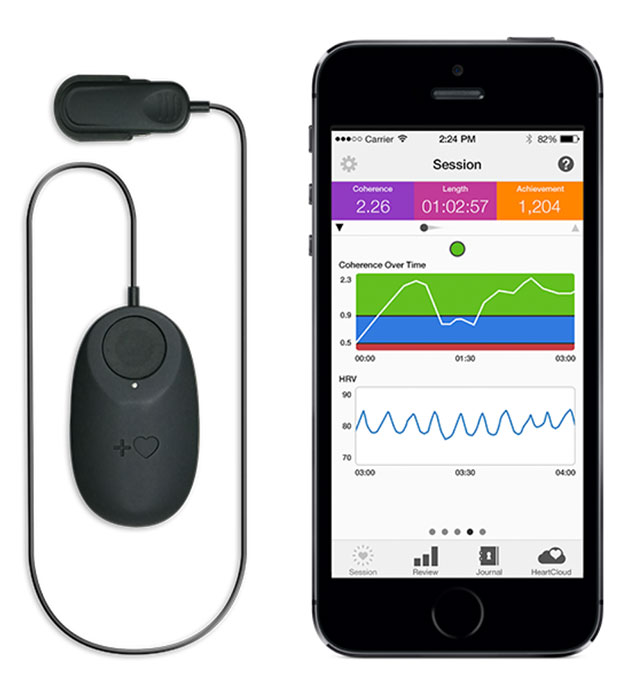
This isn’t science fiction — it’s biofeedback technology, a form of mind-body training that helps people with panic disorder understand and regulate the very physiological responses that fuel their panic attacks. For many, this means less fear, fewer attacks, and a life less ruled by anxiety.
By the end of this article, you’ll have a clear understanding of:
What biofeedback really is
How it works with panic disorder
The science supporting it
Different types of biofeedback tech
Benefits, limitations, and practical tips
How to start using it (even at home)
Let’s dive in.
What Is Biofeedback?
Biofeedback is a non-invasive mind-body technique that uses sensors to measure bodily functions — like heart rate, breathing, muscle tension, and skin temperature — and gives you real-time feedback so you can learn how to control them. It’s like holding a mirror up to your internal processes so you can train them like a muscle. (Mayo Clinic)
The idea is simple: most of us don’t realize what our bodies are doing during stress. But once we see that data, we can learn to change it.
What Is Measured in Biofeedback?
Most biofeedback systems track one or more of the following:
Heart Rate / Heart Rate Variability (HRV) – Helps you slow your heart and balance your nervous system
Respiratory Rate & Capnometry (CO₂ levels) – Teaches optimal breathing patterns
Electromyography (EMG) – Tracks muscle tension so you can learn to relax
Skin Conductance – Measures sweat gland activity (stress level indicator)
Temperature – Peripheral blood flow to fingers or toes (relaxation cue) (Mayo Clinic)
Once these are shown in real time — often via graphs, numbers, or even games — your brain begins to associate internal signals with external feedback, enabling control over them.
Panic Disorder: A Quick Primer
Panic disorder is characterized by recurrent panic attacks, which are sudden episodes of intense fear that peak within minutes and include physical symptoms like:
Rapid heartbeat
Shortness of breath
Chest pain
Sweating
Dizziness
Fear of losing control or dying
These symptoms occur because the autonomic nervous system (ANS) enters high-alert mode — often without a real threat — triggering fight-or-flight reactions.
Biofeedback doesn’t cure panic disorder, but it teaches you how to calm your ANS down — in real time.
How Biofeedback Works for Panic Disorder
1. Identifying Reactive Patterns
People with panic disorder often have heightened bodily awareness — but it’s usually fear-driven, not controlled awareness. Biofeedback turns that panic into data, helping individuals see:
Heart rate spikes
Rapid, shallow breathing
Muscle tension
This demystifies the panic attack — instead of it feeling like a “body takeover,” you see the patterns and can intervene.
2. Re-Training the Nervous System
Once you see a signal (like a rising heart rate), you can use learned tools — such as slow breathing or relaxation — and watch how the readings respond. Over repeated sessions, your body learns:
“When I do X, my stress goes down.”
This creates new neural pathways and reduces the fear of fear — a core part of panic disorder.
3. Integrating With Therapy
Biofeedback is often used alongside traditional therapies like CBT (Cognitive Behavioral Therapy), enhancing:
relaxation training
exposure exercises
panic prevention strategies
It’s not a standalone cure, but it’s a powerful augmentation to existing treatments. (Psychiatric Times)
Evidence and Research: Is Biofeedback Backed by Science?
The short answer? Yes — but with nuance.
Heart Rate Variability Biofeedback (HRV-BF)
A randomized controlled trial found that HRV biofeedback increased heart rate variability — which reflects better balance between the sympathetic (fight-or-flight) and parasympathetic (relaxation) systems — and reduced panic symptoms in people with panic disorder. (PubMed)
This is huge because low HRV is linked with chronic anxiety and poor stress resilience.
Respiratory Biofeedback
Training people to regulate their breathing (and CO₂ levels) significantly reduced panic symptoms in small pilot studies. (PubMed)
Systematic Reviews
Systematic research shows that biofeedback — broadly defined — is effective for anxiety disorders compared with no treatment, although its benefits versus active treatments are still under study. (PubMed)
Digital Biofeedback Tools
Mobile apps like PanicMechanic use heart rate data from wearables to provide biofeedback during panic attacks. Early feasibility studies indicate users find it helpful for:
reducing severity/duration
learning personal symptom patterns
feeling more in control during attacks (PubMed)
Bottom Line: Biofeedback has growing evidence, especially for breathing and HRV training, but it’s not a one-size-fits-all magic fix — and clinicians recommend using it alongside therapy for best results.
Types of Biofeedback Technology You Can Use
1. Clinic-Based Systems
Used by trained therapists:
More accurate sensors
Professional guidance
Customized protocols
These are ideal for initial training and complex cases.
2. Wearable Biofeedback Devices
Connected tech now lets you track:
Heart rate & HRV
Breathing patterns
Skin conductance
Some even integrate with apps to give real-time coaching.
3. Mobile Biofeedback Apps
Apps like PanicMechanic use data from your phone and wearables during real panic attacks. They’re accessible, portable, and great for on-the-go support. (PubMed)
4. Home Biofeedback Machines
These offer basic physiological feedback for breathing or muscle tension and are good for daily practice, though accuracy varies.
Real Benefits of Biofeedback for Panic
Here’s what people actually gain from biofeedback training:
✔ More Control, Less Fear
Seeing your body’s responses and learning to modify them reduces the fear of symptoms — a central driver of panic attacks.
✔ Physiology You Can Train
Your nervous system becomes something you can influence intentionally — not just react to.
✔ Safer, Non-Drug Option (or Adjunct)
Biofeedback doesn’t involve medications and has minimal side effects, making it safe and accessible. (AltTherapyInfo.com)
✔ Faster Skill Acquisition
Compared with techniques like meditation alone, biofeedback accelerates learning because of its real-time feedback loop.
What Biofeedback Is Not
Before you leap in, it’s important to set realistic expectations:
It’s not an instant cure — it takes time and practice.
It’s not a replacement for professional mental health care for severe panic disorder.
It won’t erase anxiety forever — but it empowers you to manage it better.
What to Expect in a Biofeedback Session
A typical session looks like this:
Sensors Attached: Monitors heart rate, breathing, or muscle tension.
Baseline Reading: You sit quietly — therapist observes your “stress signature.”
Feedback Visualized: Numbers, graphs, or audio cues show your physiology.
Skill Practice: You try relaxation, breathing, or imagery while watching the feedback.
Repetition & Homework: You practice these skills between sessions.
Most protocols use 4–10 sessions to build effective skills. (PubMed)
How to Choose the Right Biofeedback Path
If You’re New to Biofeedback
Start with a therapist experienced in anxiety disorders.
If You Want Daily Support
A wearable device + app can be powerful — but professionals recommend pairing it with therapy.
If Your Panic Is Severe
Biofeedback is best used alongside traditional therapies like CBT or medication, not in isolation.
You Are Not Powerless
If panic disorder feels like a storm your body throws without warning — biofeedback offers a way to become the weather forecaster instead of the victim.
This technology turns invisible stress signals into visible, actionable data — and gives you tools to tame your nervous system rather than be overwhelmed by it.
Your Next Step: Take Action Today
Ready to finally take control of panic?
Here’s how to start:
1. Talk to a Biofeedback-Certified Therapist
You’ll get personalized training and guidance.
2. Pair It With Other Evidence-Based Therapies
Biofeedback + CBT yields stronger results than either alone.
3. Try a Wearable Biofeedback Tool
Look for devices that measure HRV and breathing, and use a companion app for real-time breathing exercises.
4. Practice Daily
Even short, consistent biofeedback exercises can reshape your stress responses.
If you’re tired of fear controlling your life — take one step today.
Explore professional biofeedback training or try a trusted wearable tool — your nervous system can learn to stay calm.
Comments
Post a Comment