The Hidden Power of Gratitude
What if a simple habit—writing down three things you’re thankful for each day—could physically reshape your brain? Not just make you feel happier temporarily, but actually strengthen neural circuits that support emotional balance, resilience, and well-being?
Welcome to the neuroscience of gratitude: a field where biology meets psychology, and where thankfulness becomes a tool for brain transformation. Recent research shows that gratitude isn’t just a feel-good idea—it’s a real driver of neuroplasticity, the brain’s ability to grow, adapt, and reorganize itself throughout life.(Saffron & Sage)
In this article, we’ll explore how gratitude affects your brain physically, functionally, and chemically, uncovering how something so simple can have such profound neurological impact.
What Does “Rewiring the Brain” Really Mean?
To understand gratitude’s power, we first need to understand neuroplasticity—the brain’s ability to change its structure and function in response to experiences.
Unlike outdated ideas that the adult brain is fixed, modern neuroscience shows that the brain remains malleable throughout life. Every thought, memory, practice, and emotion influences neural connections. When you consistently repeat a behavior or thought pattern, the neurons involved begin to strengthen their connections—sometimes forever.(Health Crunch)
This principle is often summarized by Hebb’s law:
In other words, repeated brain activity makes associated pathways stronger and more efficient. Gratitude, when practiced regularly, taps into this very mechanism.(Health Crunch)
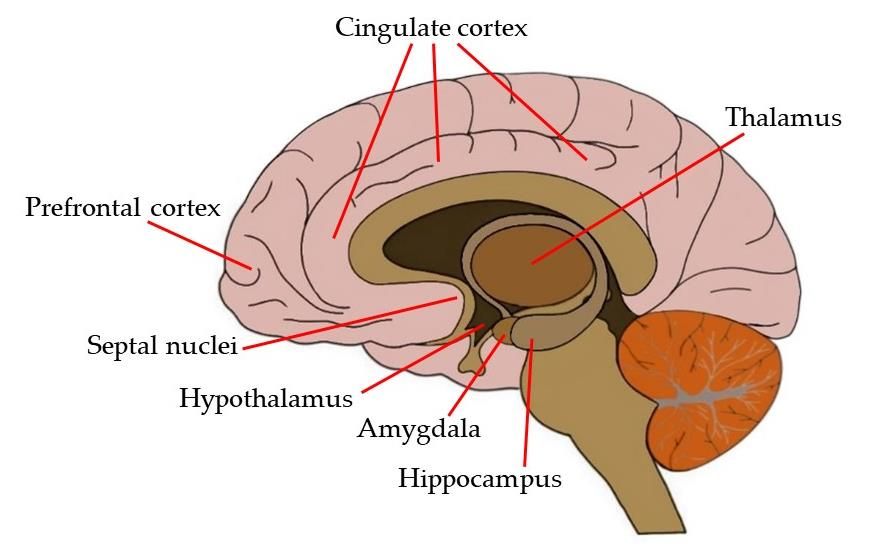
Brain Regions Engaged by Gratitude
When we experience gratitude—either by reflecting on positive events, writing in a journal, or expressing thanks to someone—the brain lights up in specific regions tied to emotion, reward, and regulation.(Health Crunch)
1. Prefrontal Cortex (PFC)
The prefrontal cortex is our executive command center—responsible for decision-making, emotional regulation, impulse control, planning, and perspective taking. Gratitude practice increases activity here, helping us move away from reactive emotional states to thoughtful, grounded responses.(Be Well Collective)
Long-term impact: With consistent gratitude, stronger PFC pathways help reduce emotional reactivity and support better stress management.
2. Ventromedial Prefrontal Cortex (vmPFC)
This part of the PFC is critical for reward processing, moral cognition, and social emotions. Gratitude stimulates this region, linking thankfulness with feelings of pleasure and value—like your brain begins to reward you for noticing the good.(Health Crunch)
3. Anterior Cingulate Cortex (ACC)
The ACC guides emotional awareness and integrates cognitive and emotional information. It’s involved in empathy, conflict monitoring, and emotional balance—skills that flourish with gratitude practice.(Health Crunch)
4. Amygdala (Emotion & Stress Center)
Gratitude reduces activity in the amygdala, the brain’s fear and stress alarm system. By dampening this system’s dominance, people become less reactive to perceived threats, reducing anxiety and empowering calm responses.(Saffron & Sage)
5. Hypothalamus (Stress, Sleep & Body Regulation)
The hypothalamus controls key bodily processes including stress hormone production, appetite, metabolism, and sleep cycles. Gratitude’s impact here helps explain why grateful people often sleep better and experience lower stress overall.(Kate Bridge)
The Neuroscience of Gratitude: How It Changes Your Brain
Here’s the big picture: gratitude triggers a cascade of neurological effects that lead to ongoing structural and functional brain changes.
1. Strengthening Positive Neural Pathways
Consistent gratitude practice repeatedly activates neural networks associated with positive affect, reward processing, and emotional regulation. Over time, these networks become more efficient and dominant.(Neuroba)
This strengthening makes it easier to notice and savor the good in life—not just fleetingly, but as a default mental habit.
2. Neuroplastic Growth & Gray Matter Changes
Research suggests that consistent gratitude practice can lead to structural changes like increased gray matter density in areas that matter for emotional control and social cognition. This means not just temporary brain activity but actual brain ‘wiring’ improvements.(Cannelevate)
These physical changes resemble what is seen with other learning and mental training practices, like meditation or learning a new language.
3. Enhanced Functional Connectivity
Aside from structural growth, gratitude can improve functional connectivity—how efficiently different brain regions communicate with each other. Stronger communication between regulatory regions (like the PFC) and emotional centers (like the amygdala and limbic system) means improved emotional balance and resilience.(Cannelevate)
4. Rewiring the Stress Response
Chronic stress primes the brain to focus on threats—an evolutionary defense that now often leads to anxiety and overwhelm. Gratitude counters this by reducing cortisol levels and calming the brain’s stress circuits. This creates space for emotional flexibility, grounded thinking, and a calmer nervous system overall.(Charlotte Shimko Consulting)
Neuroscience & Mental Health: Why Gratitude Matters
Beyond brain structure and function, the real value of gratitude is evident in how it improves mental and emotional life.
Mood & Happiness
Studies show gratitude increases the production of dopamine and serotonin—neurotransmitters linked to reward, pleasure, motivation, and mood regulation. This helps elevate happiness and reduce depressive symptoms over time.(Be Well Collective)
Better Sleep Quality
Because gratitude calms the mind and regulates stress hormones, people who practice gratitude report falling asleep faster and experiencing more restorative rest. Quality sleep itself supports improved memory, focus, and emotional equilibrium.(Charlotte Shimko Consulting)
Reduced Anxiety & Depression Symptoms
By shifting attention away from negativity and rumination, gratitude helps reduce anxiety and depressive thoughts. The neural rewiring gradually weakens patterns of negative thought loops, fostering resilience and hope.(Kate Bridge)
Stronger Relationships & Social Bonds
Gratitude doesn’t just shape your internal world—it changes social dynamics. Gratitude activates areas of the brain tied to empathy and trust, helping you connect more deeply with others and strengthen relationships.(Neuroba)
How to Rewire Your Brain with Daily Gratitude
You now get why gratitude rewires the brain. But how do you make it work in daily life?
Here are evidence-based practices proven to reshape the brain over time:
1. Daily Gratitude Journaling
Write down 3–5 things you’re grateful for daily. Be specific (e.g., “I’m grateful for the smile from my colleague today”). This habit strengthens neural circuits associated with positivity.(Be Well Collective)
2. Gratitude Letters
Writing and delivering a letter of appreciation to someone in your life triggers a powerful emotional response. In studies, gratitude letter writers showed lasting brain activation changes months later.(MORRIS HEALTH)
3. Mindful Gratitude Meditation
Spend a few minutes focusing on sensations, thoughts, and emotions tied to gratitude. Mindful awareness deepens the brain’s emotional engagement and strengthens neural connections.
4. Express Gratitude Verbally
Telling someone “thank you” engages social and reward circuits in your brain, deepening connections and reinforcing neural pathways tied to generosity and positivity.
Gratitude Is Not Just “Positive Thinking” — It’s Brain Training
It’s tempting to dismiss gratitude as something “nice to feel.” But the neuroscience is clear: gratitude rewires your brain. Its impact is structural, functional, and chemical—working like mental exercise that strengthens neural networks for positivity, resilience, and emotional balance.(Saffron & Sage)
Whether you’re looking to reduce stress, boost happiness, improve relationships, or simply feel more grounded in your day-to-day life, gratitude offers a science-backed path for transformation.
Your Brain, Rewired by Gratitude: The Bottom Line
✔ Gratitude engages reward, emotion, and regulation centers in the brain.(Health Crunch)
✔ Consistent gratitude practice strengthens neural pathways tied to positivity and emotional balance.(Saffron & Sage)
✔ Gratitude helps reduce stress and anxiety by calming the amygdala and regulating hormone responses.(Charlotte Shimko Consulting)
✔ Over time, gratitude leads to physical brain changes that make positivity more automatic.(Cannelevate)
Start Rewiring Your Brain Today
Your brain is listening—right now. Every thought, every moment of focus, shapes your neural wiring. What if today you chose gratitude?
Start a 21-Day Gratitude Challenge today.
Day 1: Write 3 specific things you’re grateful for.
Day 2: Thank someone in your life.
Day 3: Reflect on how gratitude made you feel.
By day 21, your brain won’t just remember gratitude—it will seek it out automatically. Transform your neural pathways, improve your emotional resilience, and live with deeper appreciation. The science is behind you; all you need to do is begin.
Comments
Post a Comment