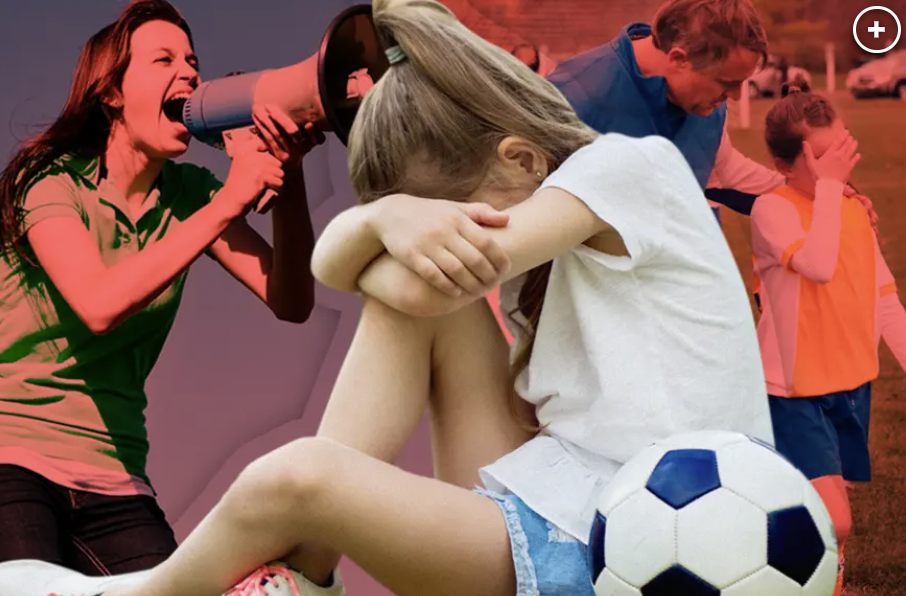
In communities around the world, youth sports are more than fun and games — they’re opportunities for growth, teamwork, and lifelong skills. But beneath the cheers and trophies lies a serious issue: the mental toll that performance pressure takes on young athletes.
This article unpacks how sports pressure affects youth mental well-being, what research shows, early warning signs parents and coaches should watch for, and — most importantly — how families and teams can foster healthy, not harmful, competition.
Why This Matters
Youth sports offer amazing benefits — fitness, friendships, discipline. But there’s a hidden cost when pressure overshadows enjoyment: young athletes may experience anxiety, burnout, depression, low self-esteem, and even identity crises tied to performance.
This isn’t “over-dramatic.” Research shows that sports pressure isn’t just about losing a game — it redefines a young person’s sense of self. For many, mistakes on the field can become mistakes in self-worth.
The big question: How do we balance ambition with emotional safety? This blog answers that with heart, evidence, and proven tools.
The Rise of Pressure in Youth Sports
Over the past 20 years, children’s sports culture has fundamentally shifted:
Year-round competition replaces recreational play
Early specialization becomes normative
Recruitment starts younger — sometimes in elementary school
Parents and coaches unintentionally act like pro scouts
These trends have legitimate roots — skill development, opportunity, community pride — but they also haste young athletes into high-stakes mindset long before emotional regulation fully develops.
Understanding Mental Well-Being in Young Athletes
Before we talk about pressure, we need to define mental well-being:
Mental well-being is not just “absence of disorder.” It’s a flourishing state where youth feel:
Safe and supported
In control of emotions
Confident in their abilities
Connected to teammates and adults
When pressure becomes overwhelming, this equilibrium collapses.
Common Sources of Pressure
Pressure doesn’t come from a single source — it’s layered:
External Pressure
Parents with high expectations
Coaches with strict performance goals
Teammates competing for limited positions
Internal Pressure
Fear of failure
Perfectionism
Desire to impress others
Cultural or Institutional Pressure
Scholarship and college recruitment emphasis
Rankings and social comparison
Media coverage of youth sports
Social Media Pressure
Young athletes now perform under digital spectatorship. Likes, comments, and highlight reels turn every game into a public performance.
Psychological Impacts of Sports Pressure
Here’s where the stakes rise:
Anxiety & Chronic Stress
Expectations can trigger performance anxiety — not just pre-game nerves, but ongoing stress that wears down confidence.
Burnout
Youth athletes who train intensively without psychological support often lose motivation and joy.
Depression
Feelings of failure or rejection on the field may generalize into feelings of inadequacy off the field.
Low Self-Esteem
Kids may start measuring worth by stats, wins, or approval — not by who they are.
Identity Foreclosure
When sports becomes the main identity (“I am a soccer player”), setbacks feel like total loss.
Physical-Mental Health Connection
Pressure doesn’t stay in the brain — it affects the body:
Increased cortisol (stress hormone)
Poor sleep and recovery
Appetite changes
Higher injury risk due to tension and overtraining
This means mental strain can directly degrade physical performance — a vicious cycle.
Social Media: A New Layer of Stress
Today’s young athletes are under public scrutiny:
Followers judge performance clips
Negative comments can damage confidence
Viral mistakes become “evidence” of failure
Social media amplifies pressure with no timeout button.
Signs Your Child May Be Struggling
Parents and coaches should notice subtle shifts, such as:
✔ Loss of enjoyment
✔ Increased irritability
✔ Withdrawing from friends or family
✔ Sleep disruptions
✔ Physical complaints (headaches/stomachaches)
✔ Declining performance
✔ Emotional swings after games or practices
If these last longer than a few weeks, it’s a signal, not a phase.

What Coaches Can Do
Coaches have enormous influence. Here’s how to make pressure productive:
Promote Effort over Outcomes
Praise effort, teamwork, and improvement — not just wins.
Encourage Emotional Expression
Let athletes talk about how they feel, not just how they played.
Normalize Mistakes
Teach techniques like video review and growth mindset: Mistakes aren’t failure — they’re learning data.
Teach Resilience
Use drills that emphasize problem-solving and pressure handling.
Incorporate Mental Skills Training
Mindfulness, visualization, and breathing exercises boost performance AND emotional balance.
What Parents Can Do
Parents play a critical role in how children interpret pressure.
Say: “I’m proud of your effort.”
Avoid: “Why didn’t you score?”
Focus on: Health, happiness, teamwork
Celebrate character traits: resilience, kindness, dedication
Model emotional regulation: how you handle your mistakes
You want them to grow with the sport, not through fear of losing it.
Real Stories: Voices from Young Athletes
“I stopped enjoying soccer when every loss felt like I let everyone down.” — Teen athlete
“I used to think if I failed once, I’d never play again. It took me years to see the fun again.” — Former youth swimmer
These stories show the emotional cost of pressure — and the powerful relief that comes when support replaces fear.
Strategies for Building Resilience
Here are actionable, research-backed tools:
1. Mindfulness and Breathing
5 minutes a day to reduce anxiety.
2. Cognitive Reframing
Teach youth to question “What if I fail?” with “What can I learn?”
3. Goal Setting
Set process goals (effort, technique), not just outcome goals (wins).
4. Play for Play’s Sake
Schedule unstructured play days outside organized sports.
5. Open Communication
Regular check-ins about challenges and emotions.
When to Seek Professional Help
Not all stress is “normal.” Consider professional support if:
Symptoms persist for weeks
Depression or severe anxiety appear
Withdrawal from activities increases
Performance pressure disrupts school or sleep
Professionals can help youth build lasting emotional tools.
The Future of Healthy Youth Sports
The good news? Awareness is rising:
More teams integrate mental skills training
Parents are asking better questions
Coaches embrace emotional development
Research links well-being with long-term success
This shift doesn’t weaken competition — it strengthens it.
Youth sports should uplift youth souls, not drain them. The goal isn’t to eliminate pressure — that’s impossible — but to teach kids how to thrive WITH pressure, not despite it.
Every child deserves a sports experience that builds confidence, not collapse.
If you care about a young athlete — whether you’re a parent, coach, educator, or friend — here’s your action plan:
Start the Conversation Today
Ask them: “What do you enjoy most about sports?”
Share This Article with parents, teams, and coaches.
Join or Create a Supportive Community that values mental well-being.
Advocate for Mental Skills Training in your child’s team or school.
If we act now, we can transform youth sports from a pressure cooker into a playground for emotional strength, joyful growth, and lifelong resilience.
Comments
Post a Comment