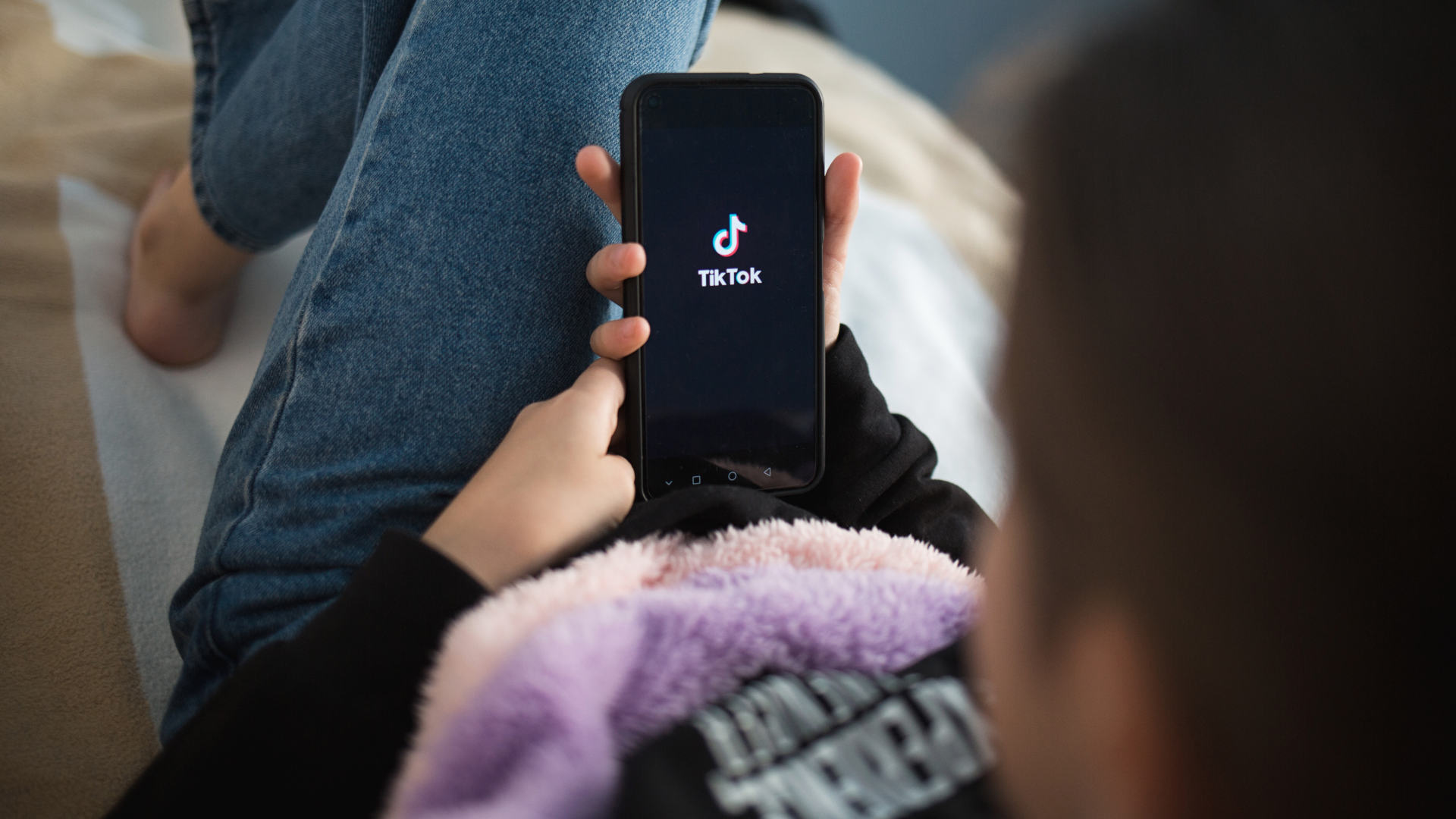
An in-depth look at research, risks, benefits, and what this means for young people today
The Double-Edged Scroll
Ever notice how you open TikTok “for just a minute” and suddenly it’s way later than expected? You’re not alone — for teens around the world, TikTok is one of the biggest parts of daily life, shaping not just what they watch and laugh at, but how they feel about themselves. But is it helping teens connect and find support — or is it quietly reshaping their mental health for better or worse?
Let’s dive in.
Why TikTok Matters for Teen Mental Health
TikTok isn’t just another app. With over a billion users worldwide — including millions of teens — its short, personalized videos are designed to hook your attention and keep you scrolling. Unlike older platforms, TikTok’s For You Page uses a powerful algorithm that learns what you like fast and feeds you more of it. That’s part of why TikTok feels so “addictive” to many people. (Amnesty International)
This constant stream of content can affect teens in subtle and complex ways — both good and bad.
The Positive Side: Support, Expression, and Learning
While a lot of conversations about TikTok focus on harm, it’s important to recognize the positive experiences that many teens report and that some research highlights:
1. Mental Health Information and Support
Many teens use TikTok to learn about mental health topics. According to a major survey, about one-third of teens say they sometimes get mental health information on social media, and among those, most say it’s important to them. (Pew Research Center)
Some creators — including trained professionals — share relatable personal stories and coping strategies, helping teens feel less alone.
2. Self-Expression and Community
TikTok gives teens a creative space to express themselves: everything from music and comedy to personal reflections on life challenges. Some research analyzing TikTok content shows that #teenmentalhealth tagged videos get millions of views and often include personal experiences and coping tips from both peers and professionals. (PubMed)
For many young people, this kind of peer-to-peer sharing provides comfort and connection, especially in places where talking about emotions offline is harder.
The Other Side: Potential Risks and Concerns
Despite the positives, a lot of evidence and expert commentary raises concerns about how TikTok can influence teen mental health — especially when use becomes heavy or problematic.
1. Anxiety, Depression, and Sleep Issues
Clinical research shows that problematic TikTok use — meaning excessive, compulsive engagement — is associated with higher levels of anxiety, depression, and poor sleep in adolescents. (PubMed)
Sleep disruptions matter a lot for teens because lack of rest can worsen mood, concentration, and overall wellbeing.
2. Comparison and Body Image Pressures
TikTok is highly visual and driven by trends. Teens are often exposed to unrealistic beauty standards or “perfect” lifestyles, which can contribute to feelings of inadequacy and comparison. The pressure to get likes, comments, or go viral can amplify those feelings. (Jozi Gist)
In response to concerns, TikTok announced plans to block teens from using certain beauty filters that change their appearance drastically — aiming to reduce social pressure and anxiety related to appearance. (The Guardian)
Addictive Algorithms and Content “Rabbit Holes”
Platforms like TikTok use sophisticated recommendation systems that can push similar content continuously. Amnesty International and other groups warn that this can lead younger users into harmful “rabbit holes” — for example, content centered around mental health struggles that isn’t supportive or safe. (Amnesty International)
This is especially concerning when videos normalize or glamorize unhealthy behaviors rather than offering helpful guidance.
4. Misinformation and Unverified Advice
Many teens see TikTok as a place to get tips on everything — including mental health and wellbeing. But not all of that advice is accurate. Investigations have found that much of the mental health advice trending on TikTok can contain misinformation, oversimplified solutions, or unproven techniques. (Reddit)
This can unintentionally misguide teens who are already struggling.
What Research Really Says: It’s Complicated
The scientific evidence isn’t clear-cut. Some large studies suggest screen time itself doesn’t automatically cause mental health problems for teens. Instead, it’s how teens use social media that matters more than how long. (The Guardian)
Meanwhile, systematic reviews show that TikTok — like other social platforms — has the potential to both help and harm mental health, depending on factors like content type, personal vulnerabilities, and whether engagement becomes compulsive. (Springer Nature Link)
So there’s no simple “TikTok is good” or “TikTok is bad” answer. It’s more like: TikTok can influence teen mental health profoundly — for better and worse — and the effects depend on patterns of use.
Real-World Stories: What Teens Say
Besides academic studies, many young people describe their own experiences with TikTok — and those personal voices matter. Teens share stories of feeling distracted, insecure, or compared to unrealistic content, while others talk about finding community or learning to talk about anxiety for the first time. (Reddit)
These firsthand perspectives show just how powerful and personal the impact of social media can be.
What Parents, Teens, and Educators Can Do
1. Focus on Healthy Digital Habits
It helps to think about quality over quantity: what kinds of videos are teens watching, and how do they feel after scrolling? Encourage breaks, offline hobbies, and sleep-friendly habits.
2. Open Conversations
Talk about online experiences — both positive and negative — without judgment. When teens feel heard, they’re more likely to share concerns early.
3. Build Digital Literacy
Teach teens to spot misinformation and evaluate who’s giving advice online. Not every creator is a therapist, even if their videos are popular.
4. Use Features Mindfully
Tools like time limits and nighttime reminders (like TikTok’s in-app meditation prompts) can help teens manage screen time without demonizing technology. (TikTok Newsroom)
TikTok Isn’t Destiny — Teens Are
TikTok is reshaping how today’s teens interact, learn, share, and feel. It’s a powerful platform with enormous reach — capable of amplifying both connection and anxiety. The key isn’t banning the app outright, but helping young people navigate it with awareness, support, and skills that protect their mental health.
Let’s Make Tech Better for Teens
If you found this article helpful, share it with friends, educators, or parents who care about teen wellbeing.
Want more insights like this?
Join the conversation — comment below with your experiences or questions about teens, mental health, and social media.
Take a step today: Start one open conversation with someone you care about about how social media makes you feel — honest discussions change how we relate to tech and each other.
Your voice matters. Your experience matters. And together, we can shape a healthier digital world.
Comments
Post a Comment