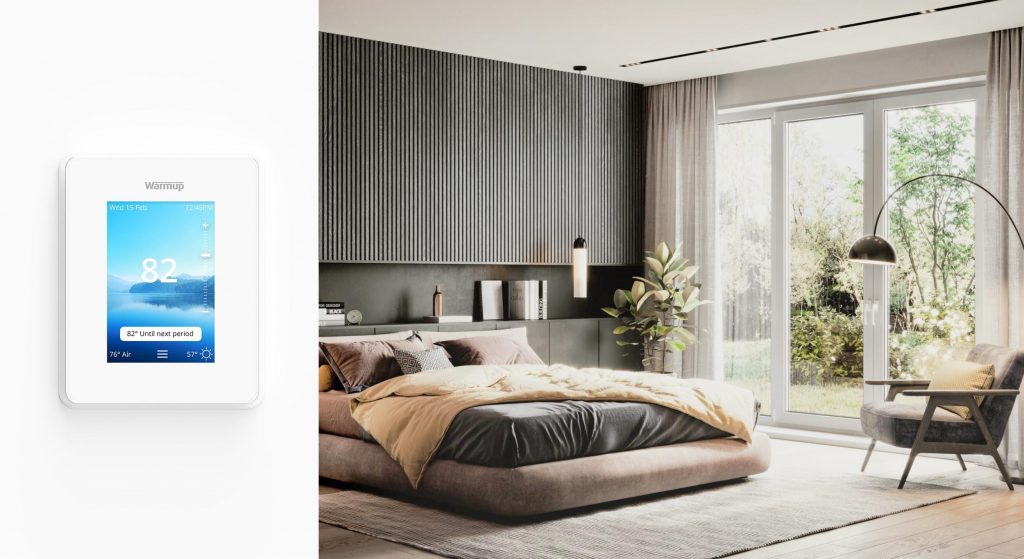
Transform Your Nights, Recharge Your Days
Imagine falling asleep the moment your head hits the pillow… not because you’re exhausted, but because your smart home knows exactly what your body needs. In a world where stress, blue light, and irregular schedules disrupt our sleep, smart home technology is stepping in as the ultimate sleep ally — customizing comfort, tracking sleep quality, and quietly shaping the environment for restorative rest.
In this article, we’ll explore how smart home technologies — from connected lighting and thermostats to intelligent mattresses and sleep sensors — are revolutionizing sleep. We’ll also share practical tips for setting up your own sleep-optimized smart space, backed by research and real-world examples. Buckle up — your best night’s sleep might start tonight.
Why Sleep Optimization Matters More Than Ever
Sleep isn’t just downtime — it’s when your brain consolidates memories, your body repairs tissues, and your nervous system resets. Chronic sleep disruption is linked to reduced cognitive function, mood disorders, impaired immunity, and even increased risk of chronic diseases. Simply put: better sleep = better life.
But achieving consistent, high-quality sleep isn’t as simple as “going to bed early.” It requires:
Optimal temperature and light levels
Reduced noise and comfortable ambience
Minimal disturbances through the night
This is where a smart home goes from convenience to sleep-enhancing powerhouse.
Smart Lighting: Syncing Your Bedroom With Circadian Rhythms
Lighting plays a huge role in your sleep cycle. Exposure to bright, blue-rich light in the evening suppresses melatonin — the hormone your body uses to fall asleep — making it harder to drop off when your head hits the pillow.
How Smart Lighting Helps
Smart lighting systems like Philips Hue, LIFX, or IKEA TRÅDFRI let you:
Dim lights gradually at night to cue your body for sleep
Shift color temperature toward warmer tones that support melatonin production
Automate schedules that match your sleep routine
Simulate sunrise for gentle morning wake-ups
With automated dimming and wake-up routines, your lighting doesn’t just light up your room — it works with your body clock.
BONUS: Sync smart lights with sleep trackers or routines so lights dim when your wearables detect winding-down behavior — a powerful way to reinforce your body’s natural rhythms. (Home Automation Magazine)
Smart Thermostats & Climate Control: The Goldilocks Zone
Your sleep environment should be neither too hot nor too cold. Research shows that a cooler bedroom — typically ~15.6–19.4°C (60–67°F) — promotes deeper, more restful sleep. (Wikipedia)
Smart Thermostat Features
Smart thermostats like Nest Learning Thermostat and ecobee let you:
Automatically adjust bedroom temperature at night
Learn your temperature preferences over time
Save energy while optimizing comfort
Control temperature remotely via smartphone
These thermostats learn your schedule — heating or cooling just before bedtime and again before wake-up — ensuring your sleep environment stays in the perfect comfort zone. (Home Automation Magazine)
Smart Mattresses & Sleep Sensors: Sleep Data Meets Comfort
One of the most exciting advances in sleep tech is smart mattresses and sleep sensors. These aren’t your regular bedding — they integrate advanced technology for real-time data and responsive comfort.
What Smart Mattresses Offer
Smart mattresses or mattress systems can:
Track sleep stages (light, deep, REM)
Monitor heart rate and breathing
Adjust temperature to reduce night sweats
Provide personalized sleep scores
Respond to snoring by adjusting support levels
Recent reviews highlight models like the Eight Sleep Pod 5 Ultra for its temperature control and snore detection, and hybrid options that adjust firmness and track sleep data without subscriptions. (T3)
Sleep Sensors — Under the Mattress or Beside It
Not all tech needs to touch your body. Standalone sensors like Withings Sleep Analyzer or non-wearable radar-based devices can track sleep without wearables, offering insights into your breathing, sleep stage changes, and patterns over time. (SIIT)
Wearables & Sleep Apps: Personalized Sleep Intelligence
Wearables — such as smartwatches, smart rings, or fitness bands — provide granular sleep data:
Sleep cycle distribution
Movement and wake-ups
Heart rate variability
For example, Garmin watches don’t just tell you when you sleep — they track stress, respiration, and provide dynamic “sleep coach” guidance based on your activity and heart rate patterns. (Tom's Guide)
The Power of Sleep Apps
Paired with wearables, sleep apps offer:
Smart alarms to wake you during light sleep
Sleep diaries for long-term tracking
Personalized recommendations to refine habits
Relaxation tools (white noise, guided meditation)
Sleep apps can help you learn your sleep habits and then fine-tune your environment and routines using smart home automation triggers. (Wikipedia)
Smart Sound & Meditation: Audio for Deep Rest
Smart speakers and sound systems (e.g., Amazon Echo, Google Nest Audio) can deliver:
White noise
Nature soundscapes
Bedtime meditation and breathing exercises
Adaptive sound based on room noise
Some systems even integrate with routines — playing calming audio at bedtime, then transitioning silently to white noise that masks disruptive hallway noise. (Home Automation Magazine)
Sound can be a silent superpower in creating a tranquil sleep atmosphere.
Smart Curtains & Blinds: Control Your Light Environment
Sunlight in the morning is great — but light peeking in at night? Not so much.
Smart curtains or motorized blinds can:
Close automatically at your designated bedtime
Open gradually with your wake-up routine
Block urban light pollution for deeper sleep
Synchronize with alarms or sunshine simulation
By blocking unwanted light at night and introducing gentle light in the morning, smart curtains help regulate your circadian rhythm — without lifting a finger. (Home Automation Magazine)
Air Quality & Sleep: Breathing Easier = Sleeping Better
Pollutants, allergens, and dry air can interrupt sleep or lead to snoring and congestion.
Smart air quality monitors and purifiers — like Airthings View Plus or Dyson Purifier Hot+Cool — can:
Detect VOCs, dust, and humidity
Auto-adjust filtration based on air quality
Run quiet, low-noise nighttime modes
Integrate with smart thermostats or sleep routines
Clean air isn’t just healthier — it reduces sleep disruptions and helps you breathe easier through the night. (Smarter-ish)
Creating Smart Bedtime Routines: Automation for Better Sleep
A beautifully automated bedroom doesn’t just happen — you build routines. Here’s a simple example of a bedtime smart routine:
2 hours before bed: Dim smart lights to warm tones
1 hour before bed: Lower thermostat by 2–3°C
30 minutes before bed: Turn on sleep sounds or meditation
Bedtime: Close smart curtains / blackout blinds
Night: Sleep sensor or wearable tracks sleep
Wake-up: Gradual light & thermostat adjusts
These smart home routines help your environment support your body’s natural wind-down process — enhancing sleep quality and consistency. (IntraSleep)
Challenges & Considerations
Though smart home sleep tech is powerful, there are a few caveats:
Cost: Advanced systems like smart mattresses are premium investments.
Complexity: Setting up device ecosystems may require patience.
Privacy: Connected sensors collect data — choose reputable brands and secure your network.
Personalization: Not every automation works for every person — trial and personalization are key.
Still, these are solvable hurdles compared with the benefits of personalized, data-driven sleep optimization.
The Future of Smart Sleep Tech
Sleep technology is rapidly evolving. Emerging trends include:
AI-driven sleep coaching that gives daily personalized advice
Radar-based non-contact sleep monitoring that preserves privacy (arXiv)
Integration with health records and wellness platforms
Adaptive environments that change in real time to your sleep phases
Smart homes are no longer about lights and security — they’re becoming sleep sanctuaries that know you.
The Smart (and Restful) Home of Tomorrow
From smart lighting and thermostats to sleep trackers and AI integrations, smart home sleep technology isn’t a futuristic dream — it’s here, empowering you to optimize your sleep environment and understand your sleep like never before.
Whether you’re just starting with a smart bulb and a routine, or going all-in with a sleep-tracking smart mattress, the key is integration and consistency. These technologies don’t replace healthy sleep habits — they amplify them.
Your Next Step: Take Control of Your Sleep
If you’re ready to transform your nights and wake up refreshed every morning — start with a sleep tech audit:
✔ Which sleep challenges are you facing?
✔ Do you need better environmental control (light/temperature)?
✔ Do you want insights into your sleep stages?
✔ Would automation help you unwind more consistently?
Comments
Post a Comment