
“You never forget the words that cut you deep.”
Bullying doesn’t just hurt in the moment — its scars can last a lifetime. Behind the smirks, rumors, and taunting voices lies a set of consequences that can stretch far into adulthood, affecting relationships, confidence, emotional health, and even the brain itself.
In this extensively researched article, we explore what bullying trauma really is, how it reverberates across the lifespan, and — most importantly — what healing looks like. Whether you’re a survivor, caregiver, educator, or someone curious about the subject, this post breaks it all down in clear, actionable terms.
1. What Is Bullying Trauma?
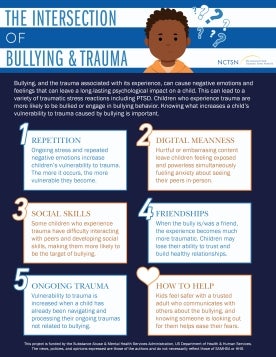
Bullying trauma refers to the emotional and psychological harm caused by repeated aggressive behaviors — verbal, physical, social, or digital — that target a person perceived as vulnerable.
Unlike a single hurtful event, bullying is repetitive and relational, meaning it impacts how the victim views themselves in relation to others. This repeated harm can overwhelm a person’s capacity to cope — which is essentially what trauma is defined as. (StopBullying.gov)
Trauma from bullying can therefore be both acute (short-term emotional distress) and chronic, with effects lingering into adulthood and shaping key aspects of life long after the bullying has stopped.
2. Types of Bullying That Cause Trauma
Trauma from bullying isn’t limited to physical abuse. Key forms include:
Verbal bullying: insults, threats, humiliation, belittling — shown to have profound long-term mental health effects. (The Guardian)
Social exclusion: being left out or deliberately ignored.
Cyberbullying: online harassment, rumors, trolling — linked with PTSD symptoms similar to face-to-face bullying. (The Washington Post)
Physical bullying: hitting, shoving, aggressive contact.
All of these can trigger trauma responses when they occur repeatedly and target a person’s sense of safety or self-worth.
3. The Science Behind Bullying Trauma
Trauma from bullying isn’t “just emotional” — it shows up in the brain and body.
Research indicates that prolonged bullying can:
Activate chronic stress responses (e.g., dysregulate cortisol — the stress hormone) which impacts emotional regulation and coping. (OxJournal)
Alter brain development, particularly regions tied to emotional processing. (OxJournal)
Imitate patterns seen in PTSD, with intrusive thoughts, hypervigilance, avoidance of reminders, sleep disruption, and heightened anxiety. (SpringerLink)
In effect, the body’s stress systems — built to protect us — stay “on guard” long after the bullying stops.
4. Long-Term Emotional & Psychological Effects
Depression & Anxiety
Perhaps the most well-documented outcome, individuals who experienced bullying are at far greater risk for depression and anxiety disorders later in life. (NCTSN)
These often stem from:
Post-Traumatic Stress Symptoms
Bullying can lead to symptoms nearly identical to PTSD — nightmares, flashbacks, avoidance, and heightened arousal. (SpringerLink)
These symptoms can persist into adulthood and affect emotional stability, work performance, and relationships.
Low Self-Esteem & Identity Struggles
Repeated bullying attacks a person’s sense of self. This can leave survivors feeling unworthy, flawed, or unlovable, which can shape life choices and self-perceptions for years. (The Gooden Center)
Social Isolation & Trust Issues
Damage to interpersonal confidence from bullying often leads to:
This social withdrawal itself can fuel anxiety and depression, creating a self-perpetuating cycle. (Rio Mais Seguro)
Increased Risk of Substance Use
Some survivors turn to substances — alcohol or drugs — as a maladaptive coping mechanism for unresolved trauma. (thejhsc.org)
This doesn’t mean everyone will struggle with substance use, but the risk is statistically increased among individuals with bullying trauma.
5. Bullying Trauma Across the Lifespan
Childhood and Adolescence
Anxiety, school avoidance, poor academic performance
Sleep changes and emotional reactivity
Self-injury tendencies (NCTSN)
Adulthood
Longitudinal research tracking victims into adulthood shows:
Higher levels of adult depression
Ongoing internalizing symptoms
Increased likelihood of psychiatric treatment or hospitalization
Continued social and emotional challenges (SpringerLink)
Bullied youth don’t simply “grow out of it.” The emotional imprint persists and shapes adult wellbeing.
6. Bullying and Brain Development
Studies show that chronic bullying engages the brain’s threat systems so strongly that it can:
Heighten sensitivity to perceived threats
This means survivors may read danger into neutral social cues, fear rejection more intensely, or struggle with emotional equilibrium — even years later. (OxJournal)
7. Changing the Narrative: Recovery Is Possible
Here’s the good news: while bullying trauma can be deep, it isn’t permanent without intervention.
Therapy Is Transformational
Effective therapies include:
Cognitive-Behavioral Therapy (CBT):
Helps retrain negative thought patterns and strengthen coping strategies. (Our Mental Health)Eye Movement Desensitization and Reprocessing (EMDR):
Helps reprocess painful memories to reduce emotional intensity. (Our Mental Health)Exposure Therapies:
Gradually reduce avoidance and anxiety by safely facing triggers. (Our Mental Health)
Getting professional support can literally rewire your response to past trauma.
Support Groups & Peer Healing
Sharing experiences in a safe, supportive setting can break isolation and normalize feelings. Group therapy is proven to help victims build resilience and connectedness — two critical healing ingredients. (Healthline)
Family and Community Support
Caregivers can boost recovery by:
Validating survivors’ experiences
Encouraging healthy social interactions
Helping establish boundaries in relationships
Supportive adults make a measurable difference in healing outcomes.
Self-Care Practices That Help
Holistic healing includes:
Mindfulness & meditation: Reduces stress and emotional reactivity. (Imagine Lincoln)
Journaling & expressive art: Helps process complex feelings. (MentalHealth.com)
Physical activity: Improves mood and reduces anxiety. (Affinity Health)
Healthy sleep routines: Critical for emotional regulation.
8. What Recovery REALLY Looks Like
Recovery isn’t:
Forgetting the past
Sweeping emotions under the rug
“Getting over it” overnight
Recovery is:
Reclaiming agency over your life
Learning to trust yourself and others again
Developing resilience and coping skills
Rewriting the narrative from victimhood to survivor strength
Every small step — from seeking therapy to finding supportive friends — contributes to lasting growth.
9. For Parents & Caregivers
If you suspect someone you care about has experienced bullying trauma:
Listen without judgment
Validate their feelings
Encourage professional support
Model healthy boundaries
Create safe, predictable environments
Your empathy matters. Supportive environments can buffer long-term psychological harm.
10. FAQs
Q: Can bullying lead to PTSD?
Yes — severe and repeated bullying can trigger PTSD-like symptoms including flashbacks, nightmares, and avoidance. (SpringerLink)
Q: Is adult bullying trauma “real”?
Absolutely. Workplace or social bullying can cause stress and trauma similar to childhood bullying because the emotional mechanisms involved are similar.
Q: Can the brain heal after trauma?
Yes! With therapy and supportive environments, neuroplasticity allows the brain to form new, healthier patterns over time.
Bullying isn’t “just part of growing up.” It can have real, measurable effects on mental health and wellbeing across the lifespan. But awareness + support + action are powerful antidotes.
If you’ve experienced bullying trauma, your pain is real — and healing is possible.
Your Next Step Toward Healing
If bullying trauma has shaped your life in any way, don’t wait to take action. Talk to a trusted therapist or mental health professional today, join a support group, or reach out to someone who understands your journey.
Start healing now: make one call, schedule one appointment, or share your story with someone safe.
Your past does not define you — your resilience does.
Comments
Post a Comment