Depression is a global health challenge — affecting over 280 million people worldwide every year.1 Many seek relief beyond medication and therapy, exploring alternatives like acupuncture. But the big question remains:
Can tiny needles really help lift the heavy fog of depression?
Let’s unpack what science says, how acupuncture works, risks, benefits, and whether it’s a treatment worth trying.
What Is Acupuncture? A Quick Primer
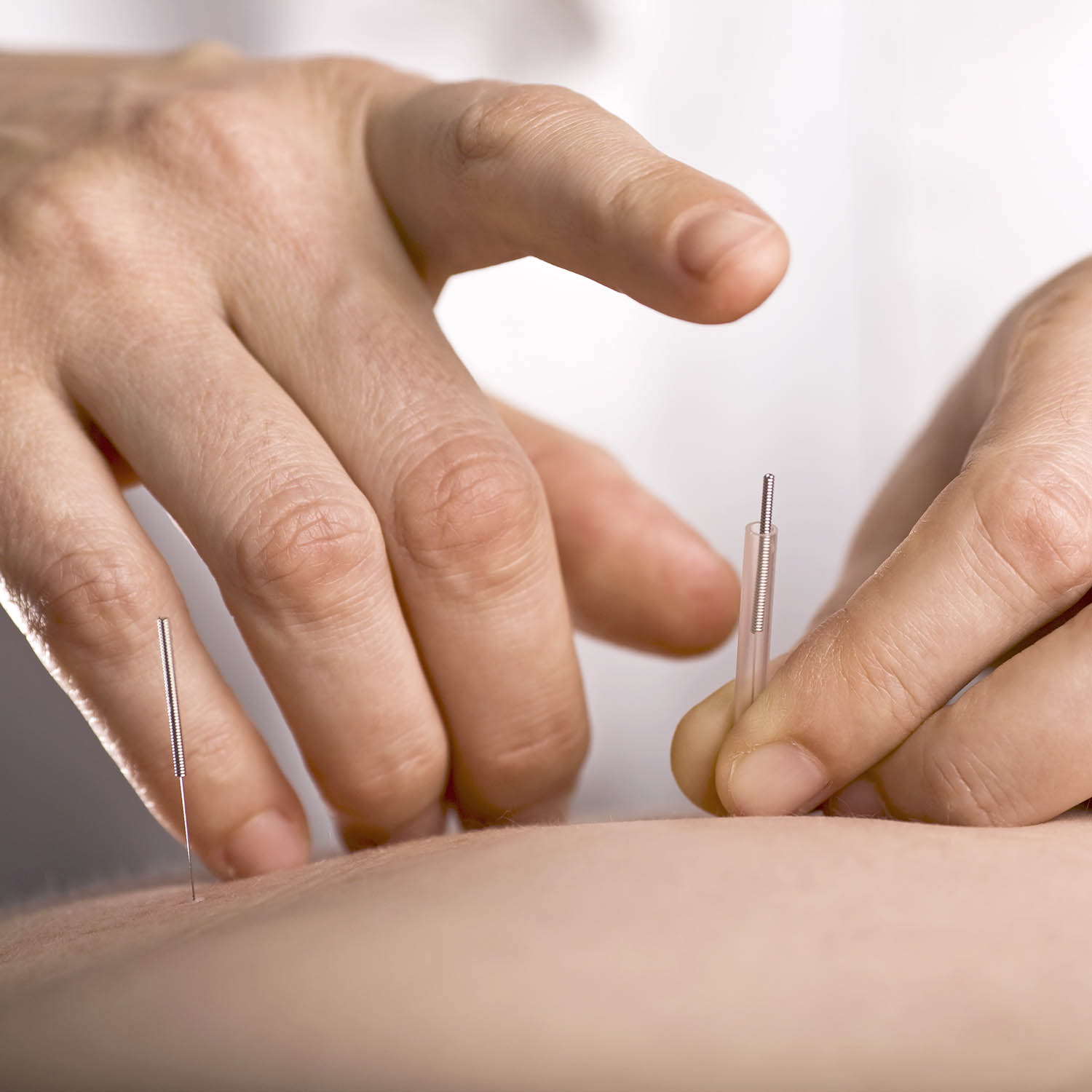
Acupuncture is a key component of Traditional Chinese Medicine (TCM) that’s been around for over 2,500 years. It involves inserting very thin needles into specific points on the body (acupoints) to stimulate energy flow — or qi — and promote healing. While acupuncture’s origins are ancient, its use has spread globally as a complementary therapy for pain, stress, and mental health conditions. (Health)
In Western medical settings, practitioners may also use electroacupuncture (electrical stimulation through needles) or auricular (ear) acupuncture to target nervous system pathways.
Why People Turn to Acupuncture for Depression
Anti-depressant medications and talk therapy help many — but not everyone. Some people:
don’t respond fully to standard treatments
struggle with medication side effects
want holistic mind-body approaches
prefer fewer drugs
That’s where acupuncture comes in. It’s perceived as natural, low-risk, and potentially calming — but does it actually work for depression?
What the Research Says: Evidence Overview
Let’s explore what scientific studies and meta-analyses have found about acupuncture and depression.
1. Acupuncture May Reduce Depression Severity
Several reviews of randomized clinical trials suggest that acupuncture can reduce the severity of depressive symptoms compared with no treatment or usual care. (Cochrane)
For instance:
A Cochrane review found low-quality evidence hinting that manual and electroacupuncture moderately reduced depression symptom scores. (Cochrane)
Older meta-analyses reported significant reductions in depression scores on standardized measures like HAMD and BDI after acupuncture treatments. (PubMed)
2. Acupuncture + Medication Shows Promise
Some studies found that when acupuncture is combined with antidepressants, patients experienced greater improvement than with medication alone. (Cochrane)
This suggests acupuncture may boost the effects of conventional therapy — but quality of evidence varies.
3. Acupuncture Vs. Sham/Control Treatments
When compared with sham acupuncture (fake or superficial needling), results are mixed. Some studies still show benefits, but the difference is smaller. (MDPI)
This is important because sham acupuncture can also trigger physiological responses — potentially blurring results.
4. Other Reviews Highlight Benefits and Limitations
Larger meta-analyses, including over 2000 participants, found clinically significant reductions in depression severity when acupuncture was compared with usual care, sham treatment, or added to antidepressants. (MDPI)
However, researchers consistently point to low to moderate evidence quality, high variability between studies, and the need for stronger, large-scale trials. (Cochrane)
Bottom Line: Evidence leans toward acupuncture being beneficial for depression — especially as an adjunct — but research is still evolving, and effects can vary among individuals.
How Might Acupuncture Help Depression? Mechanisms Explained
Unlike antidepressants that directly target neurotransmitters, acupuncture may work through multiple biological and psychosocial pathways:
Nervous System Regulation
Some research indicates acupuncture may increase neuroplasticity and reduce brain inflammation — both linked with mood regulation. (PubMed)
Stress Response Modulation
Acupuncture might influence the hypothalamic-pituitary-adrenal (HPA) axis — the body’s stress response system — potentially calming chronic stress reactions. (ScienceDirect)
Endorphins & Neurotransmitters
Needle stimulation may trigger release of endorphins, serotonin, or other signaling compounds that influence mood and pain perception.
The “Hands-On” Effect
Being cared for in a therapeutic setting can itself have positive emotional effects — especially for people feeling isolated or stressed. (Healthline)
What Acupuncture for Depression Usually Involves
A typical acupuncture session for depression might look like this:
Intake and consultation about symptoms and history
Selection of acupoints tailored to individual needs
Gentle insertion of thin needles in hands, feet, or body
Resting quietly for 20–40 minutes while needles are in place
Commonly targeted points may include:
CV4 (Guanyuan)
ST36 (Zusanli)
SP6 (Sanyinjiao)
LI11 (Quchi)
HT6 (Yinxi)
Each is chosen for its role in emotional balance and calming the nervous system. (Healthline)
What About Specific Types of Depression?
Research also suggests acupuncture can be helpful across different kinds of depression, though evidence strength varies:
Mild to moderate depression: most supportive evidence
Post-stroke depression: showed potential improvement in some studies (PubMed)
Depression with medication side effects: possible relief in certain cases
Postpartum depression: early research hints benefits (Healthline)
But high-quality evidence is still limited.
Risks & Safety: What You Should Know
Acupuncture is generally safe when performed by a trained, licensed professional. (Healthline)
Common mild side effects include:
slight bruising or bleeding
tenderness at needle sites
mild fatigue or drowsiness
Rare risks (mostly from untrained providers) may include:
infection
nerve damage
punctured organs
allergic reactions
Always verify credentials and needle hygiene before treatment.
What Critics Say: Skepticism and Controversies
Not all experts agree on acupuncture’s value for depression:
Some argue acupuncture effects could be placebo. (Healthline)
Rigorous sham-controlled trials are limited. (Cochrane)
Some reviewers classify evidence as low quality due to methodological issues.
So while many studies are promising, the jury is still out on acupuncture as a stand-alone, definitive treatment for depression.
Can Acupuncture Be Integrated With Other Therapies?
Yes! Many mental health professionals consider acupuncture a complementary therapy — not a replacement — for standard treatments like:
medication
cognitive behavioral therapy (CBT)
lifestyle interventions (exercise, sleep, diet)
Combining these approaches may offer a more holistic path to well-being.
Patient Experiences: What Do Folks Report?
Anecdotal reports (e.g., from real patients) vary — some feel immediate mood lifts, others notice gradual benefits over weeks, and some don’t feel much change at all. Personal experiences tend to differ widely. (Reddit)
This variation highlights that individual response matters.
6 Tips Before You Try Acupuncture for Depression
Consult your doctor or psychiatrist first.
Find a certified, licensed acupuncturist.
Discuss your full medical and medication history.
Expect multiple sessions — benefits may be cumulative.
Be open but realistic about outcomes.
Track your symptoms to evaluate progress.
Does Acupuncture Work for Depression?
Yes — but with nuance.
Acupuncture may:
reduce symptoms of depression
complement conventional treatments
offer a calming, low-risk therapy experience
However, it isn’t guaranteed to cure depression on its own, and evidence quality varies. For many, it’s best used as one part of a broader treatment plan.
Here’s What to Do Next
If you’re curious whether acupuncture might help you or someone you care about:
Talk with your healthcare provider about whether acupuncture could fit into your treatment plan.
Research licensed practitioners in your area.
Start with a small session package (e.g., 4–6 treatments) and track how you feel.
Depression can be tough, but you don’t have to rely on one tool alone. Combining therapies — conventional and complementary — might open up new paths to feeling better.
Your next step: schedule a consultation with an acupuncturist and see how you respond. Healing is personal — and it’s OK to explore what works for you.
Comments
Post a Comment