Unlocking Mental Wellness in Your Pocket
Struggling with anxiety, stress, low mood, or sleep issues? You’re not alone — and these days, help isn’t just found in a therapist’s office. Digital cognitive behavioral therapy (CBT) programs have exploded in popularity, offering science-based mental health support through apps, online modules, and even AI chat companions.
But here’s the real question: Are these digital programs actually worth your time — and your subscription money? Let’s explore this fully, with evidence, expert insights, and practical takeaways so you can decide if digital CBT is right for your life and goals.
What Is Digital CBT Anyway?
At its core, Cognitive Behavioral Therapy (CBT) is one of the most researched and effective forms of psychotherapy, helping people identify and shift unhelpful thoughts and behaviors. Traditionally delivered in person by trained therapists, CBT has now been adapted into digital formats that include:
Hybrid programs (digital + human support)
These digital CBT solutions aim to bring therapy to you — whether you’re commuting, at home, or anywhere with a Wi-Fi connection.
The Rise of Digital CBT Programs
Why the surge in these tools? There are several key drivers:
Accessibility
Digital CBT breaks down barriers of geography, scheduling, and therapist availability. People in remote or underserved areas can access CBT exercises anytime, without waiting lists or travel hassles. (iSeeGP)
Affordability
Traditional therapy can be expensive. Many digital CBT apps are free to download, with optional premium features — some cost far less than weekly therapy. (Walturn)
Privacy & Convenience
Some people feel nervous about face-to-face therapy. Digital CBT lets users engage privately and discretely — ideal if stigma or time constraints are barriers. (iSeeGP)
Scalability
Programs aren’t limited by one therapist’s schedule. Developers can tailor modules based on research, collect outcomes data, and improve experiences over time.
How Digital CBT Actually Works
Digital CBT programs vary, but common features include:
Structured Modules
Users work through CBT lessons — think sessions on identifying negative thoughts, reframing them, and practicing coping skills.
Chatbots & AI Guides
Some platforms — like AI-driven conversational tools — provide 24/7 support, helping users work through exercises in real time. (Wikipedia)
Thought Journals & Tracking Tools
Interactive tools allow users to log moods, thoughts, and triggers — helping them observe patterns over time. (iSeeGP)
Interactive Tasks
Guided relaxation, behavioral experiments, and goal-setting exercises make CBT active — not just passive learning.
Optional Therapist Sessions
Some offerings combine digital tools with human coaching or video therapy — blending convenience with personalized support.
What the Research Says: Do They Work?
The best way to judge a mental health tool is by looking at evidence — and thankfully, digital CBT isn’t just hype.
Effectiveness Compared to Traditional Therapy
Systematic reviews and clinical trials show:
Internet-based CBT (iCBT) demonstrates significant clinical efficacy across conditions like depression, anxiety, and chronic pain. (PubMed)
Some studies show digital CBT outcomes comparable to face-to-face CBT for specific conditions like insomnia. (Wikipedia)
Programs with guided support (therapist check-ins or coaching) tend to deliver better results and completion rates than purely self-led versions. (Near Me)
Symptom Improvement
Users completing digital CBT modules often experience:
These improvements often show up within weeks of consistent use. (Near Me)
Cost-Effectiveness
Studies also suggest iCBT can be more cost-effective than standard CBT, requiring less therapist time while still delivering meaningful improvement. (NCBI)
Popular Digital CBT Programs Worth Knowing
Here’s a snapshot of highly regarded digital CBT options in 2026:
Wysa
AI-driven chatbot that uses CBT principles
Offers mood tracking and guided tools
Optional guided therapy with human coaches (Inflow)
Sleepio
CBT for sleep improvement
Shown in research to be as effective as in-person CBT for insomnia (Wikipedia)
MindShift CBT
Designed for anxiety support
Free and accessible with CBT-based tools (Mindful Suite)
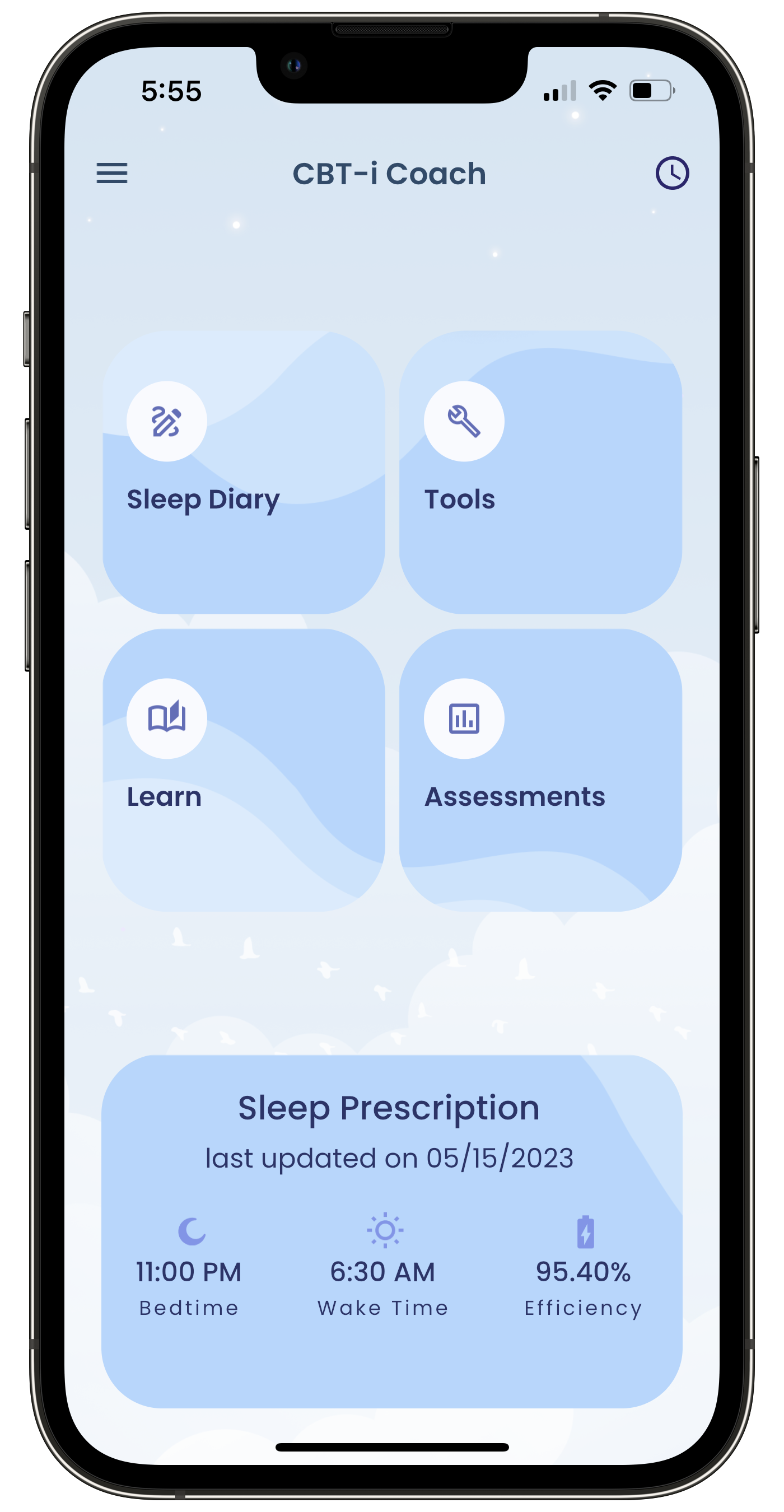
CBT-i Coach
Focused on insomnia but evidence-based
Developed by U.S. Department of Veterans Affairs (Inflow)
Rejoyn
FDA-approved digital therapeutic for depression
Combines CBT exercises with engagement nudges (Wikipedia)
(Tip: When evaluating any app, always check whether it’s backed by clinical science or government/academic support — not all are created equal.)
Advantages of Subscribing to Digital CBT Programs
If you’re debating a subscription, here are the biggest benefits:
Affordable Mental Health Tools
Many apps cost a fraction of traditional therapy, or offer free core tools.
Accessible Anytime, Anywhere
Ideal for busy lifestyles or irregular schedules.
Self-Paced Learning
Progress at your own speed — no appointment stress.
Skill Practice Between Therapy
Even if you’re seeing a therapist, these tools can reinforce what you learn.
Data & Progress Tracking
Track trends that help you understand your mental patterns.
Potential Limitations to Consider
Digital CBT isn’t magic — and it’s not perfect for everyone.
Engagement Is Key
Many users download apps but stop using them, reducing effectiveness. (Walturn)
Not a Full Replacement for Human Therapists
Complex emotional issues or trauma may require personalized professional care.
Quality Varies Widely
Some tools lack scientific validation — do your homework before subscribing. (Walturn)
Privacy & Data Security
Health data is sensitive — check privacy policies carefully.
How to Choose the Right Digital CBT Tool for You
Here’s a simple decision checklist:
What’s your goal?
Anxiety? Depression? Sleep issues? Pick a program tailored to that.
Is there evidence behind it?
Look for apps referenced in research or backed by trusted institutions.
Does it fit your budget?
Subscriptions vary — many apps have free tiers or trial periods.
Do you want human support?
Some apps add coaching or therapist check-ins — decide if that matters.
Are you willing to be consistent?
Daily or weekly engagement drives results.
Real User Perspectives: What People Are Saying
Many users find digital CBT apps helpful for daily stressors and habits, especially when:
They practice skills regularly
They pair apps with therapy or coaching
They choose features that match their goals
But others report that apps alone weren’t enough for deeper or long-standing challenges — reinforcing that digital CBT is a tool, not a cure-all.
The Future of Digital CBT
The field is rapidly evolving:
AI personalization makes CBT more responsive to your input. (iSeeGP)
Wearable integrations could tie mood data to insights. (Guilt Free Mind)
VR and immersive therapy tools are emerging for phobias or PTSD support. (iSeeGP)
This isn’t therapy in the future — it’s therapy right now.
Is a Subscription Worth It?
YES — but with conditions.
Digital CBT programs are absolutely worth subscribing to when:
You want accessible, science-based tools you can use daily
You choose apps with evidence or clinical backing
You commit to engaging regularly rather than just downloading
They’re powerful supplements to mental wellness journeys — sometimes life-changing for mild to moderate issues, and helpful alongside traditional therapy for deeper healing.
But they’re not a universal substitute for a trained therapist, especially in complex cases.
Don’t just hope for change — build the skills that make it real.
Whether it’s managing anxiety, improving sleep, or rewiring unhelpful thoughts, your wellbeing journey can begin right now — from the palm of your hand.
Comments
Post a Comment