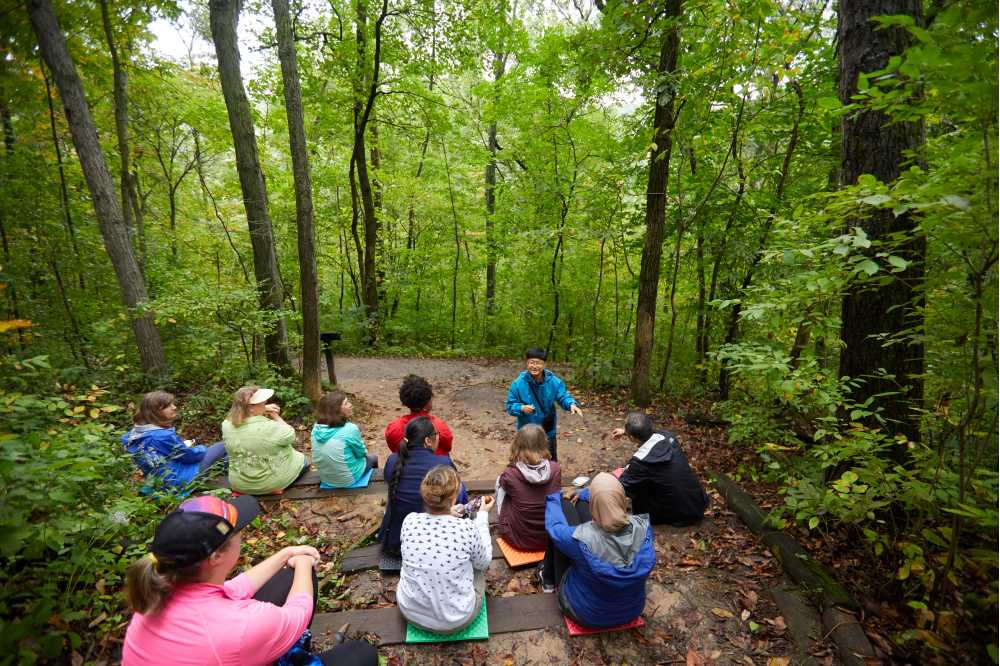
Why Forest Bathing Is the Reset Your Mind & Body Are Begging For
Imagine a wellness practice so ancient, yet so rooted in science, that doctors, psychologists, and even governments now recognize it as a therapeutic tool. Not a pill. Not a gadget. Just you… and the forest.
Forest bathing — called Shinrin-yoku in Japan — isn’t just a peaceful stroll through the woods. It’s a structured, sensory immersion in nature that can significantly lower stress, boost immunity, improve mood, and sharpen your mind in ways modern living simply can’t replicate. (Medical University of South Carolina)
In this article, you’ll learn all about forest bathing and nature therapy — from powerful scientific evidence to practical tips you can use today — plus why everyone searching for peace and wellness online is talking about it.
What Is Forest Bathing (Shinrin-Yoku)?
Forest bathing is a Japanese wellness practice developed in the 1980s that translates literally to “taking in the forest atmosphere.” It’s not hiking, jogging, or sightseeing — it’s a deliberate, mindful way of experiencing the natural world using all five senses. (PMC)
Instead of focusing on goals like speed or distance, you slow down and absorb nature: the scent of pine, the sound of rustling leaves, the feel of moss under your fingers. It’s the simplest form of mindfulness — with massive benefits.
Nature Therapy vs Forest Bathing
While forest bathing specifically involves woodland settings, nature therapy is broader. It includes gardens, parks, green spaces, and even guided sessions to heal trauma, reduce anxiety, or support rehabilitation. (journal.restorativemedicine.org)
The Science-Backed Health Benefits
Scientific research around forest bathing and nature therapy continues to grow, and the evidence shows real impacts on both mind and body:
1. Reduction in Stress Hormones
Forest environments have been shown to lower levels of cortisol — the primary stress hormone. Being among trees triggers the parasympathetic nervous system, calming the body’s stress response. (SpringerLink)
2. Immune System Boost
Trees emit phytoncides — organic compounds that, when inhaled, can increase the activity of immune cells like natural killer (NK) cells, which play a role in fighting infections and possibly cancer. (UP to Well)
3. Improved Mental Health
Multiple studies show forest bathing significantly reduces symptoms of anxiety and depression, improves mood, and increases emotional balance and resilience. (PubMed)
4. Heart Health & Blood Pressure
Spending just 15–20 minutes in nature can lower blood pressure and heart rate, and longer sessions—or repeated practice—yield even stronger cardiovascular benefits. (SpringerLink)
5. Sleep, Creativity & Cognition
Forest immersion has been associated with better sleep quality, enhanced creative thinking, and improved focus — because it combines calming environments with the restoration of cognitive resources. (Forest Holidays)
How to Practice Forest Bathing Today — Step-by-Step
Forest bathing doesn’t require training (though guided sessions are available) — just intention.
Step 1: Choose Your Natural Setting
You don’t need a dense forest — parks, river paths, gardens, even green trails work. Aim for places where you feel safe and calm. (Heart of England Forest)
Step 2: Disconnect
Turn off your phone and unplug from screens. This signals your brain to slow down and shift into present-moment awareness. (hardyplant.org)
Step 3: Slow Down
Walk slowly or sit quietly. The goal isn’t exercise — it’s sensory engagement. Notice sounds, smells, textures, colors. (hardyplant.org)
Step 4: Invite Your Senses
Listen to birds, wind, water
Touch bark or leaves
Breathe deeply — inhale forest air
Observe subtle changes in light, texture, scent
Let your mind wander without judgment
This mindful approach is the heart of forest bathing. (Heart of England Forest)
Step 5: Stay Long Enough to Feel It
Studies show even 15–20 minutes can reduce stress, but sessions of 2 hours or more amplify the benefits. (npr.org)
Real-World Ways to Make Nature Therapy Part of Your Life
You don’t have to live near a rainforest to benefit:
Urban forest walks in city parks
Garden mindfulness in your backyard
Waterfront nature meditation by lakes or rivers
Wildflower fields or woodlands near nature reserves
Guided eco-therapy sessions with certified forest therapy guides
Nature journaling — write or sketch your sensory experience
By incorporating natural environments into your weekly routine — even 3–4 times a month — you can extend forest bathing benefits to emotional resilience, clearer thinking, and stress relief.
Nature Therapy Beyond Forests
Nature therapy expands forest bathing’s principles to other environments and modalities:
Garden therapy: Digging, planting, and tending plants is therapeutic. (journal.restorativemedicine.org)
Water therapy: Ocean, river, or lake environments provide calming sensory experiences.
Eco-movement: Yoga, qi-gong, or stretching in green spaces.
Animal interaction: Time in nature with animals (e.g., horses, dogs) fosters connection and lowers stress.
Each of these blends active engagement with natural presence — a core pillar of nature therapy.
The Global Movement Behind Forest Bathing
What began in Japan as a part of preventive health measures is now practiced worldwide — from dedicated forest therapy trails to urban green initiatives.
Countries such as the United States, Finland, South Korea, and the UK now incorporate forest therapy into public health discussions and stress reduction programs. (Reddit)
Researchers and practitioners recognize that forest bathing isn’t a fad — it’s an evidence-supported wellness strategy with applications in mental health, corporate wellness, education, and holistic medicine.
FAQs About Forest Bathing & Nature Therapy
Q: Is forest bathing just walking?
No — it’s intentional sensory immersion that engages your whole body and mind, not just a walk in the woods. (PMC)
Q: Do you need a forest guide?
Guides can deepen your experience, but self-guided shinrin-yoku sessions are effective too. (npr.org)
Q: How often should I practice?
Even weekly or monthly sessions can create lasting benefits — consistency matters more than perfection. (Forest Holidays)
Step Into the Forest — Step Back Into Yourself
Your daily hustle might be draining your mind, body, and creativity — but your answer is just outside your door. Forest bathing and nature therapy aren’t luxuries reserved for retreats or rainy days. They’re tools for real-world healing.
Start today. Choose a green spot near you and plan your first forest bathing session this week.
Comments
Post a Comment