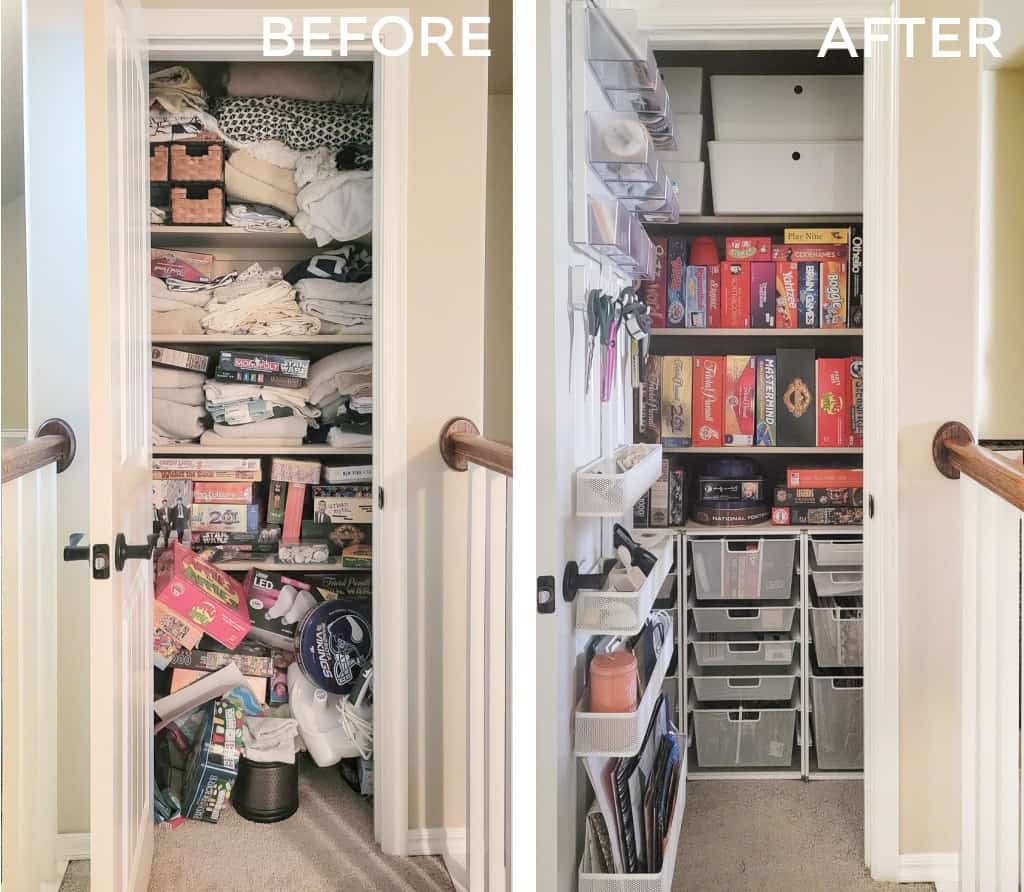
Have you ever walked into a room full of clutter and felt a sudden tightening in your chest? Or flipped through a chaos-filled closet and felt small pangs of stress? You’re not imagining it — there’s real psychology behind how our physical spaces affect our minds. In fact, minimalism and decluttering aren’t just trends; they’re powerful tools that can transform your emotional well-being, sharpen your focus, and improve your overall quality of life.
In this article, we’ll explore the science behind minimalism, the psychological benefits of decluttering, and practical strategies you can use to bring peace, clarity, and positive energy into your life.
What Is Minimalism?
Minimalism is more than an interior design aesthetic — it’s a lifestyle philosophy focused on reducing excess to make space for what truly matters. At its core:
It’s intentional living — choosing purpose over possessions.
It prioritizes experiences, relationships, and well-being over material accumulation.
It encourages you to ask: “Does this serve me? Does this bring joy?”
Minimalism isn’t about deprivation. It’s about emotional freedom, clarity, and mindfulness.
How Clutter Affects the Brain
Before diving into the perks of minimalism, let’s talk science.
Clutter creates sensory overload. When your environment is messy:
your brain has to process too much visual input,
your focus decreases,
stress hormones like cortisol increase.
Imagine opening your eyes to stacks of clothes, piles of books, and random objects on the floor. Your brain doesn’t know where to start — so it reacts instead of responding.
Studies show that disorganized spaces are linked to increased anxiety and reduced cognitive performance. Clutter competes for your attention, making it harder to focus, relax, or think creatively.
The Psychology Behind Decluttering
Decluttering isn’t just organizing — it’s psychological pruning. When you reduce your physical clutter, you also reduce mental clutter.
Here’s how it works:
a. Decision Fatigue Decreases
Every item you own makes your brain subconsciously consider its relevance. The more items, the more decisions your brain must make. Over time, this leads to decision fatigue — a well-documented psychological phenomenon where your willpower and focus decline as you make more decisions.
b. Emotional Load Lightens
Every object carries meaning — some positive, others stressful. A bill you forgot to pay, mismatched socks, or a souvenir from an unpleasant trip can trigger emotional reactions. Removing these “visual reminders” reduces emotional stress at a subconscious level.
c. Sense of Control Increases
Clutter often creates a feeling of chaos and lack of control. Clearing it restores a sense of order — and psychological research shows that perceived control is strongly linked to positive mood and reduced anxiety.
Emotional Benefits of Minimalism
Let’s get into the good stuff — the feel-good outcomes of adopting a minimalist mindset.
Reduced Anxiety and Stress
Clutter stimulates your brain in a way similar to background noise — it’s distracting and overwhelming. Clearing your space creates visual calm, helping your nervous system relax.
Improved Clarity and Focus
A tidy environment reduces distractions and gives your brain “space to breathe.” This boosts your ability to concentrate, solve problems, and make decisions more efficiently.
Greater Appreciation for What Matters
Minimalism invites you to be intentional about your possessions. Rather than holding onto everything, you keep what is truly meaningful. This fosters gratitude, presence, and emotional satisfaction.
Improved Mood and Emotional Balance
Simply put: less chaos = more peace. Many people report feeling lighter, happier, and more grounded after decluttering their spaces.
Minimalism and Productivity: The Neuroscience Connection
Our environment influences how we think and perform. Cluttered spaces increase brain activity related to stress and reduce activity in areas associated with focus and self-control.
Here’s why minimalism boosts productivity:
Fewer visual distractions → Better focus
Less cleaning/organizing → More time for meaningful tasks
Simplified routines → More mental energy
Have you ever tried meditating or working in a messy room? It’s like trying to hear a whisper in a crowded room — your brain has to work harder.
Minimalism doesn’t just make you feel productive — it physically enables productivity by reducing cognitive load.
Consumerism, Social Pressure, and Mental Health
Modern culture constantly tells us: “buy more,” “upgrade,” “keep up.” Advertisements, social media, and influencers bombard us with messages equating possessions to happiness.
But:
More stuff ≠ more happiness
The psychology of minimalism challenges consumerism by encouraging mindful consumption — we choose purposeful purchases instead of impulse buys.
Research consistently shows that:
Experiences bring more lasting happiness than material items.
People who prioritize experiences over things are generally more satisfied.
Accumulating possessions can mask emotional needs instead of addressing them.
Minimalism shifts the focus from having more to being more.
How to Start Decluttering (Step-by-Step)
Ready to dive in? Here’s your practical, psychology-backed roadmap.
Step 1: Set Clear Intentions
Ask yourself:
Why do I want to declutter?
What does a calm space look like to me?
Define your “why” — it gives purpose to the process.
Step 2: Start Small
Begin with one area — a drawer, shelf, or corner. Small wins build momentum.
Step 3: Sort into Categories
Use these bins:
Keep
Donate
Sell
Trash
Touch every item — if it doesn’t bring value, let it go.
Step 4: Ask the Right Questions
For each item, ask:
Have I used this in the past year?
Does this serve a purpose or bring joy?
Would I buy this today?
If the answer is no — let it go.
Step 5: Avoid Perfection
It’s progress, not perfection.
Your space doesn’t need to look like a magazine – it just needs to feel calm and functional.
Overcoming Emotional Attachments and Roadblocks
We human beings attach meaning to objects. That teddy bear from childhood? The souvenir from your first trip? That old concert tee? Sentimental items make decluttering harder.
Here’s how to navigate emotional ties:
Detach from Guilt
Instead of thinking “I have to keep this,” try “I choose to keep this because it adds value.”
Guilt isn’t a good decision-making tool.
Take Photos
If you’re keeping something only for memories, consider snapping a photo before letting it go. Memories don’t live in objects — they live in your mind.
Get Support
Decluttering with a friend or coach can help you see your space objectively, boost motivation, and reduce emotional resistance.
Maintaining Minimalist Habits
Getting started is one thing — staying consistent is another.
Here are strategies to keep your space and mind uncluttered:
Adopt a “One In, One Out” Rule
For every new item you bring home, remove one old item.
Weekly Reset Sessions
Take 10–15 minutes to tidy up common areas.
Limit Impulse Buys
Before buying, pause and ask:
Do I need this?
Will I use it?
Does it add value?
If not — walk away.
Real-Life Examples: How Minimalism Changed Lives
Stories resonate — and there are countless real people whose emotions and lifestyles transformed after embracing minimalism.
Case Study: From Chaos to Calm
Meet Jane — a working mom drowning in belongings.
Before: Piles of clothes, cluttered kitchen counters, constant stress.
After: She decluttered her home room by room, kept only what served her life goals, and noticed:
Increased focus
More free time
Less stress
Better sleep
Her friends noticed the change — not just in her space, but in her mood and confidence.
Case Study: The Student Who Found Focus
College student Mark struggled with studying in his cluttered dorm. After simplifying his desk and sleep area, he reported:
Improved concentration
Higher grades
Better emotional balance
Minimalism gave him mental space to excel.
Your Decluttering Action Plan
Here’s a printable plan you can start today:
Daily (10 mins)
Clear desk
Sort 5 items for donation/trash
Reset living area
Weekly (30 mins)
Closet check
Kitchen surface reset
Digital file cleanup
Monthly
Review sentimental items
Donate unused belongings
Reassess goals
Why Minimalism Isn’t Just a Trend — It’s Self-Care
Clutter isn’t just about stuff — it’s about mental noise, unexpressed intentions, and emotional load. By reducing physical chaos, you create space for clarity, joy, focus, and emotional resilience.
Minimalism is a mindset shift — and it’s one of the most practical, scientifically supported ways to reduce stress, improve mood, and live intentionally.
Comments
Post a Comment